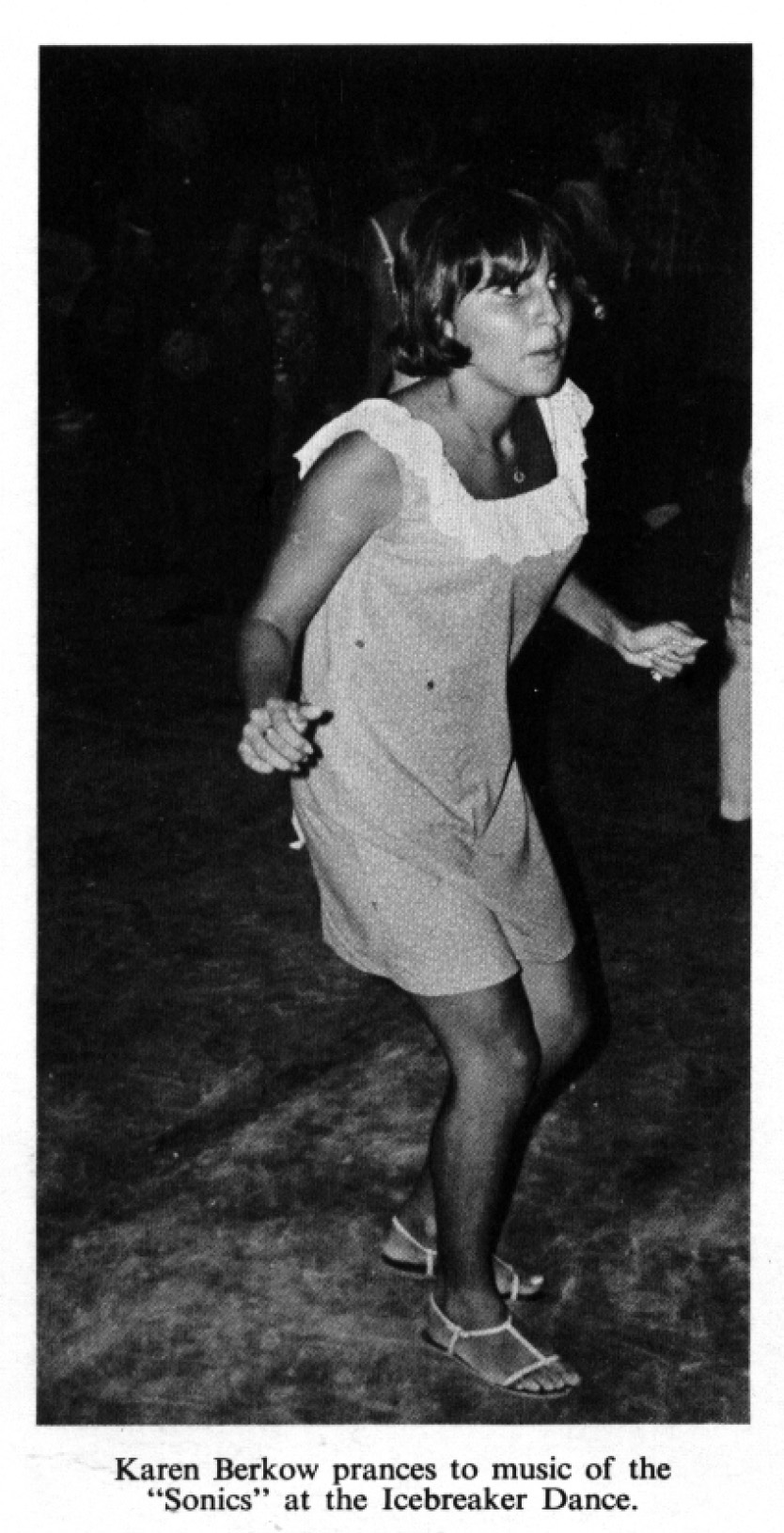
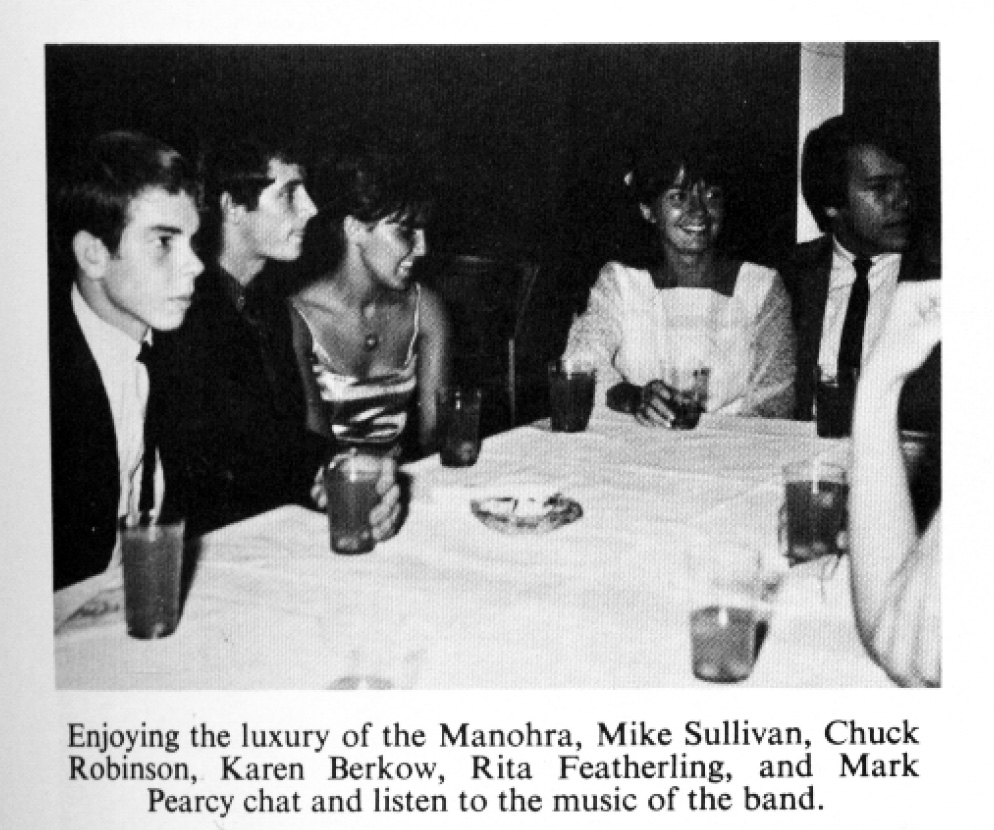
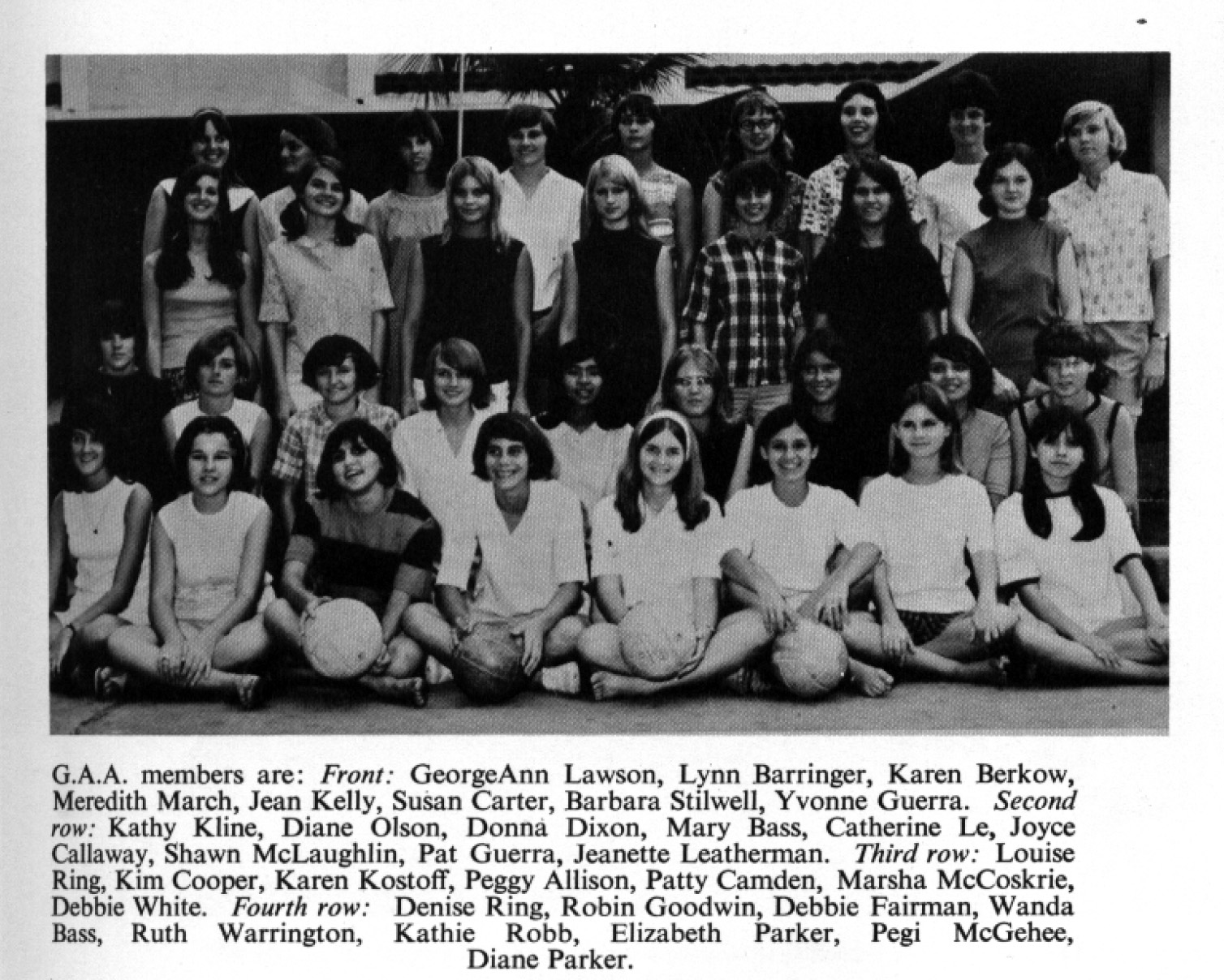
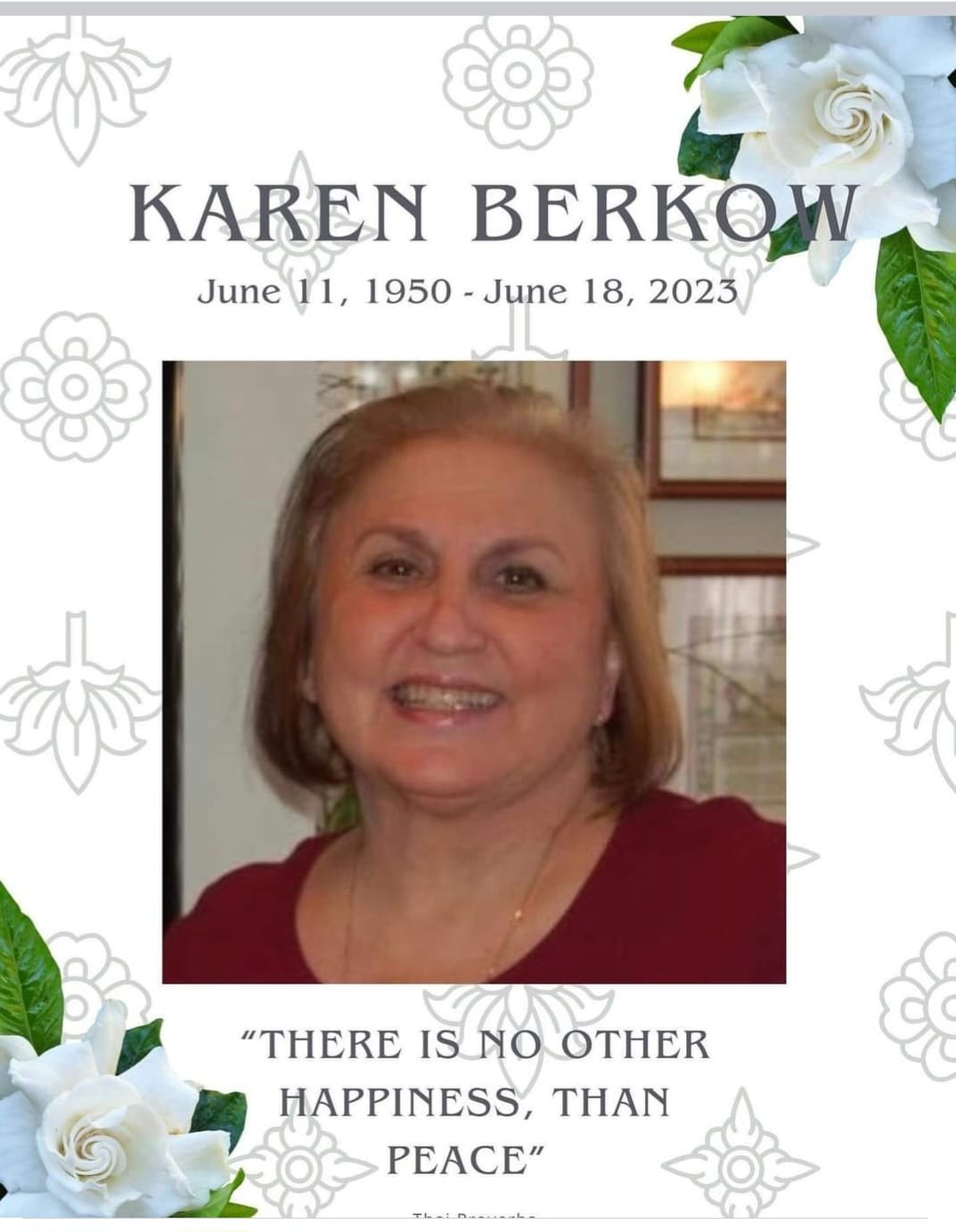
Lovingly reported byJackie Hagan Glathaar some years ago; my sincere apologies for the delay in publishing it.
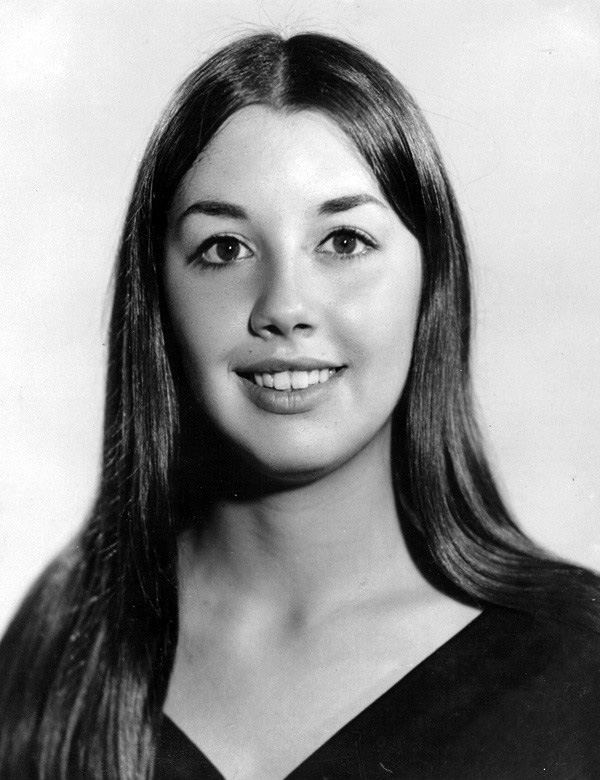
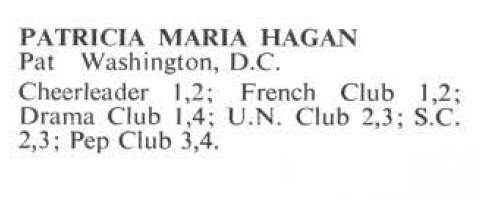
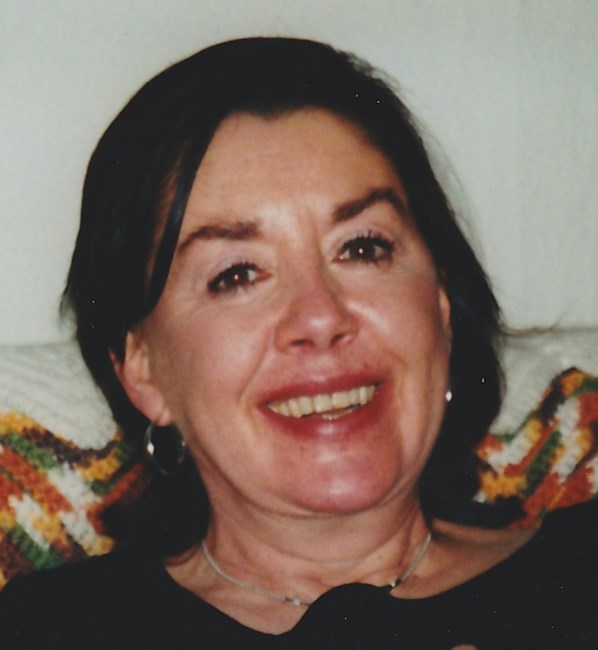
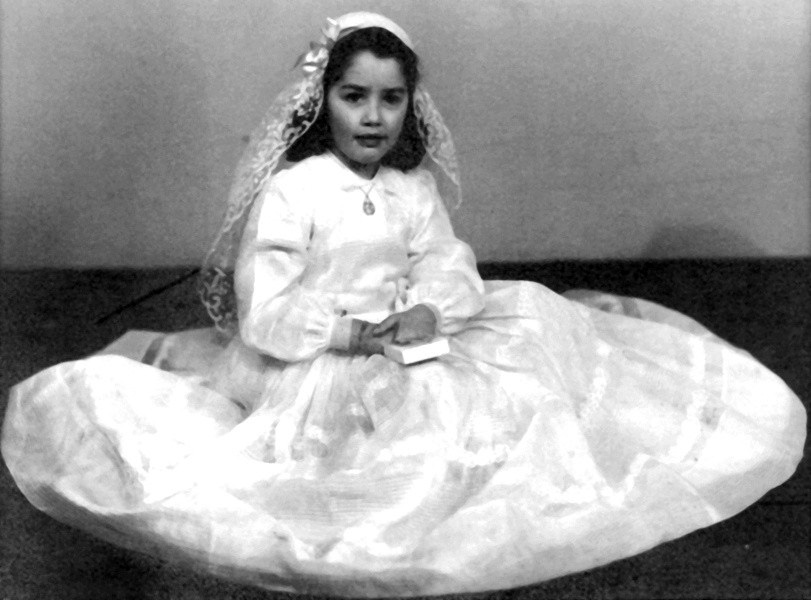
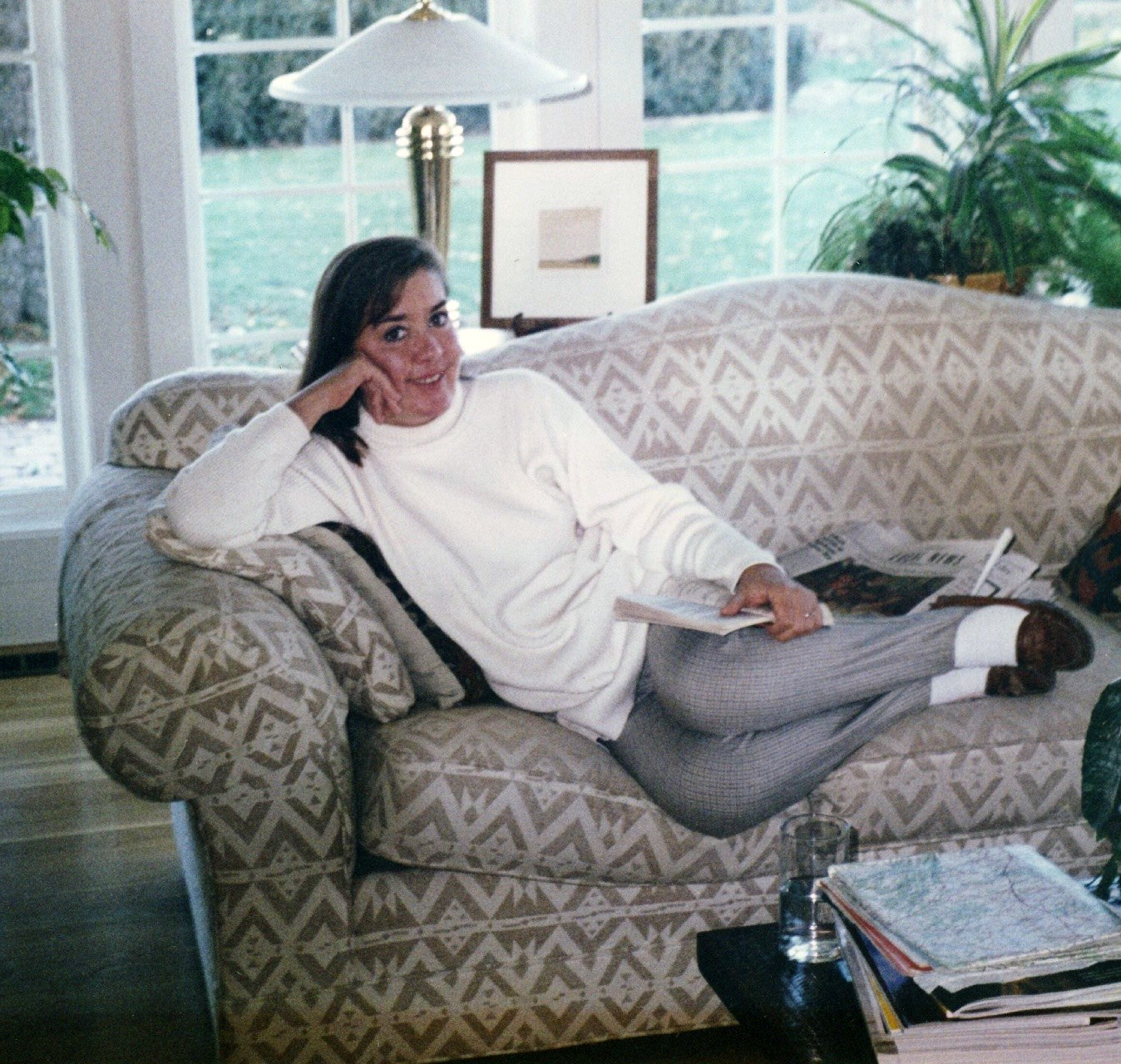
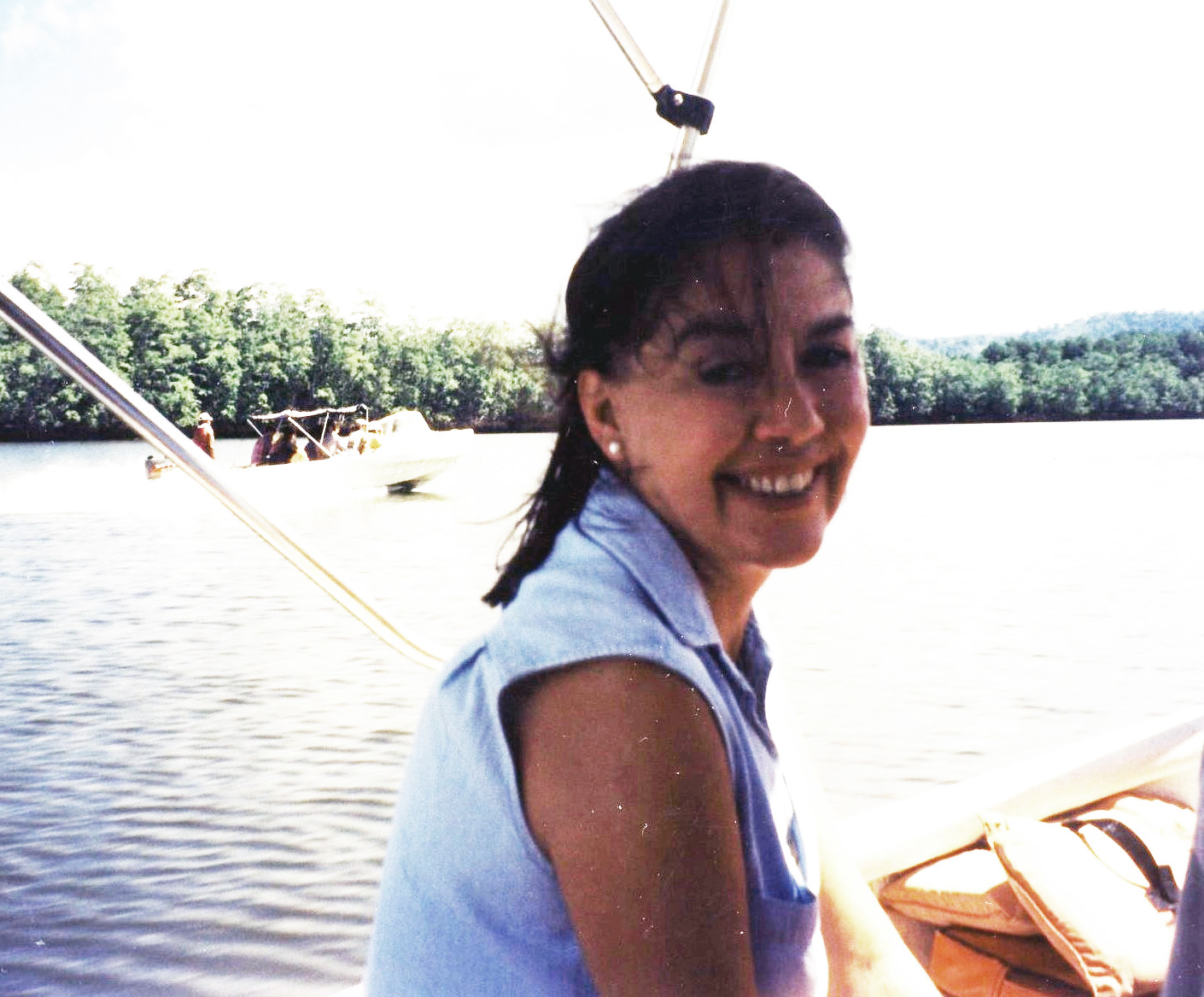
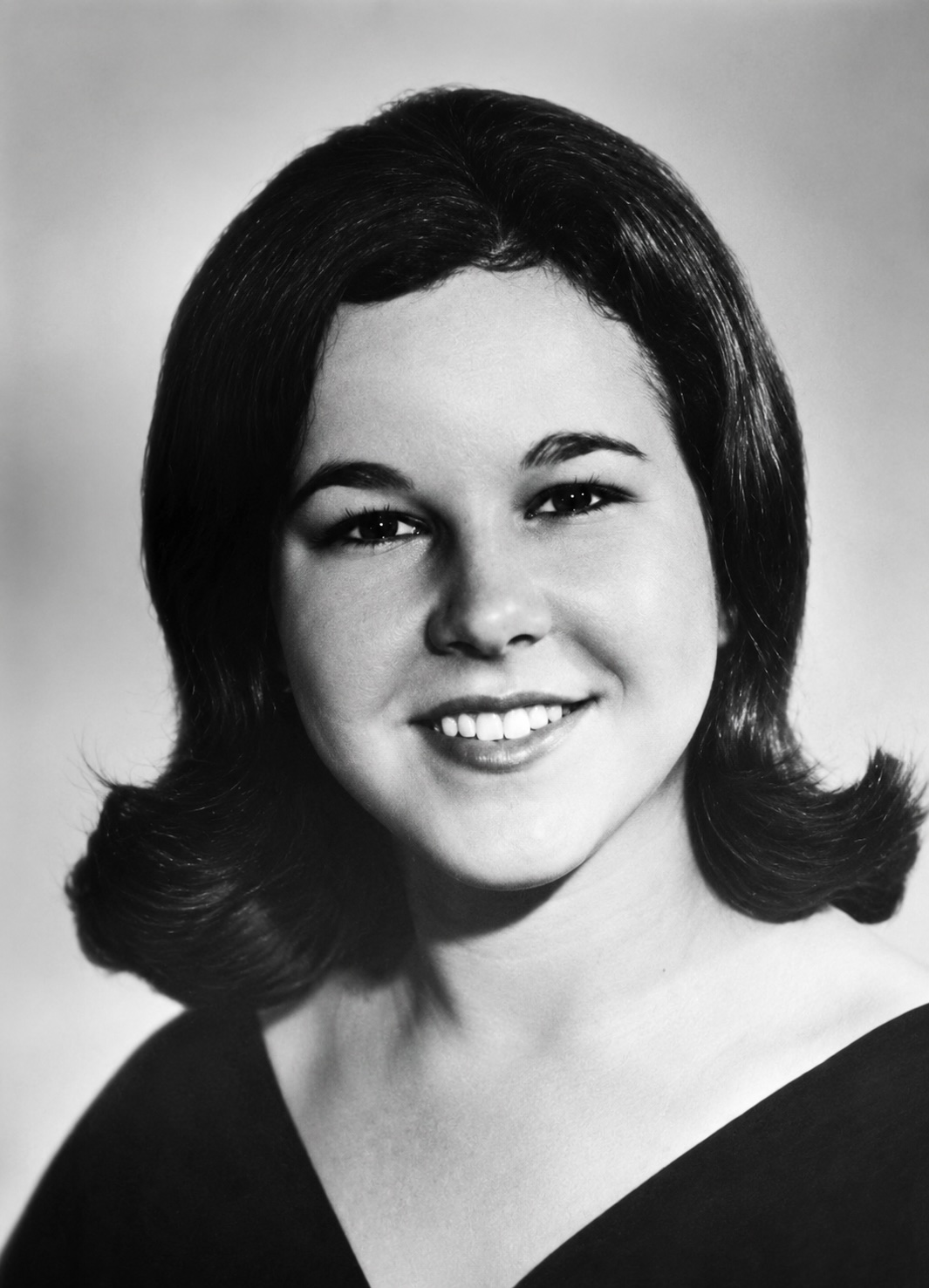
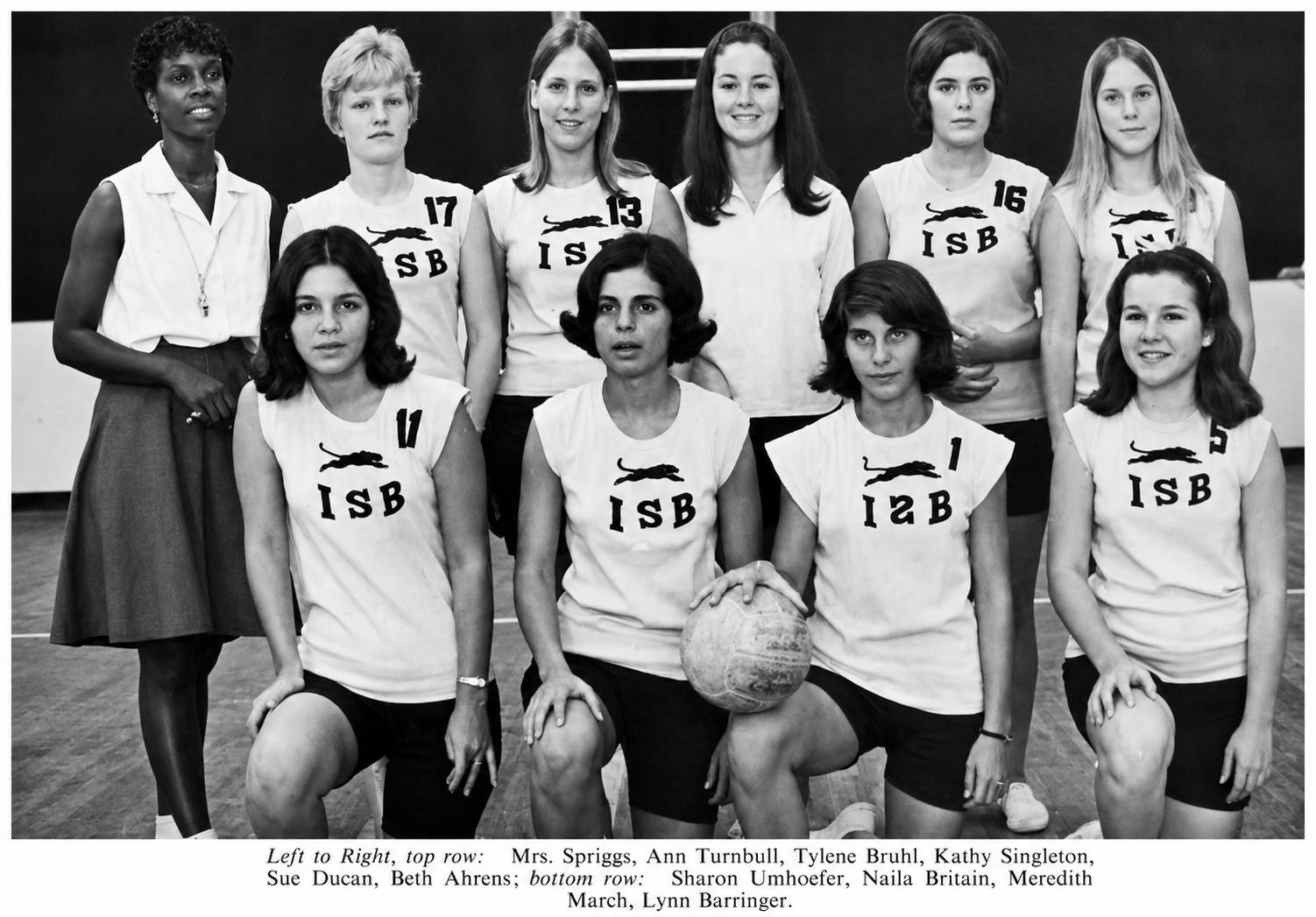
OBITUARY Patricia Maria Gamache August 13, 1949 – July 16, 2011 . Dearly loved mother, sister, and wife – Patricia Maria Hagan Gamache, 61, of Toppenish passed away unexpectedly on Saturday July 16, 2011. Patricia was born in Lisbon, Portugal on August 13, 1949. She was the eldest daughter of John Logan Hagan and Maria Teresa Surocca Hagan. Patricia and her five siblings had a unique upbringing in that her father’s Foreign Service career took the family all over the world. After being born in Portugal, the family lived in Brazil, Chile, Ireland, Canada, Thailand—where she graduated from high school at the International School of Bangkok—and South Africa. Her parents then retired in San Jose, Costa Rica, where Pat, her husband and their children have spent many happy times throughout the years.
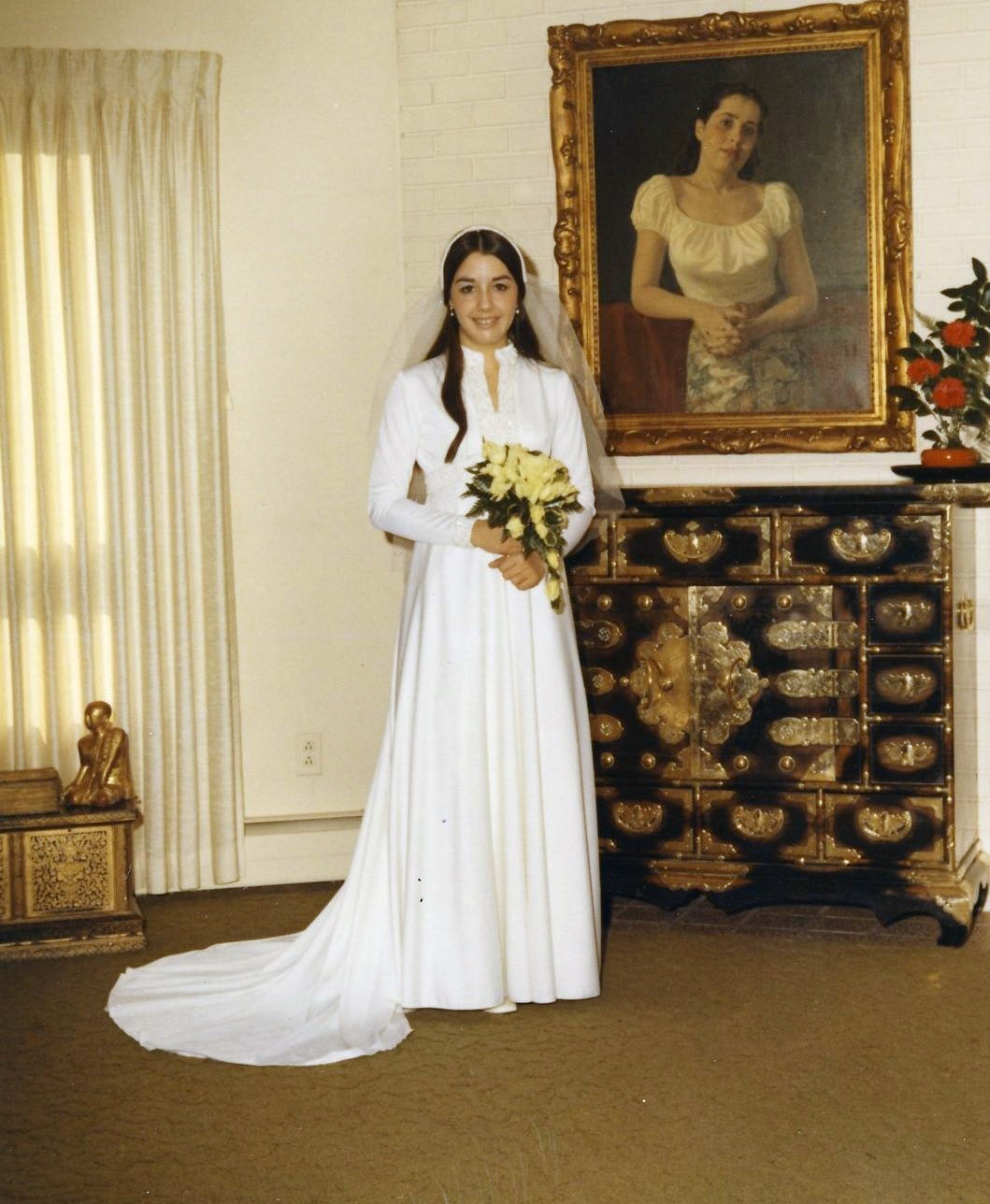
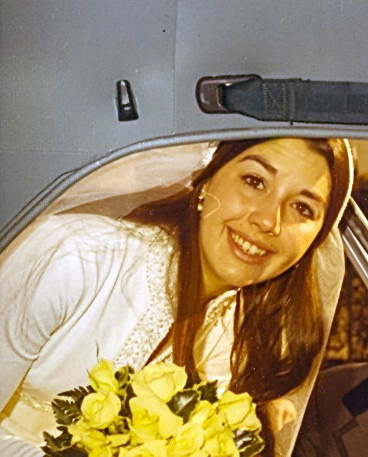
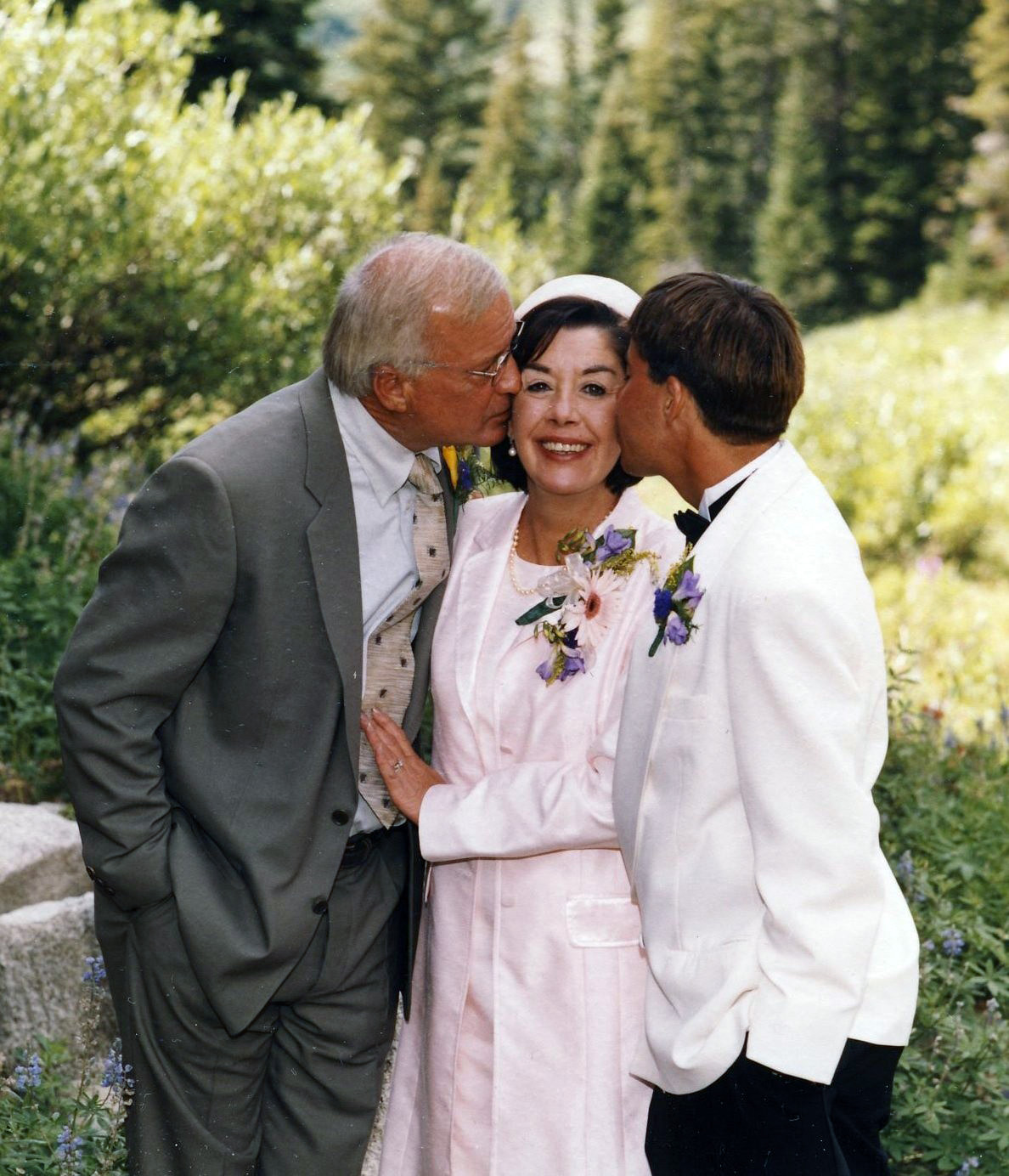
Patricia attended Gonzaga University where she met the love of her life, Terry Joseph Gamache. They were married in 1971 in Washington DC. After graduating from college in 1972, Patricia and Terry moved to Toppenish, where they settled down on the Gamache family farm. Patricia and Terry have two children, Graham and Alyson.
Patricia and Terry loved spending their time together traveling around the world, and where she was able to indulge in her love of exotic foods. Patricia was an international gourmet cook and her family always looked forward to the mouth-watering goodness of her many dishes, including minci and rice, paella, chicken piccata and Terry’s favorite, sweet and sour pork.
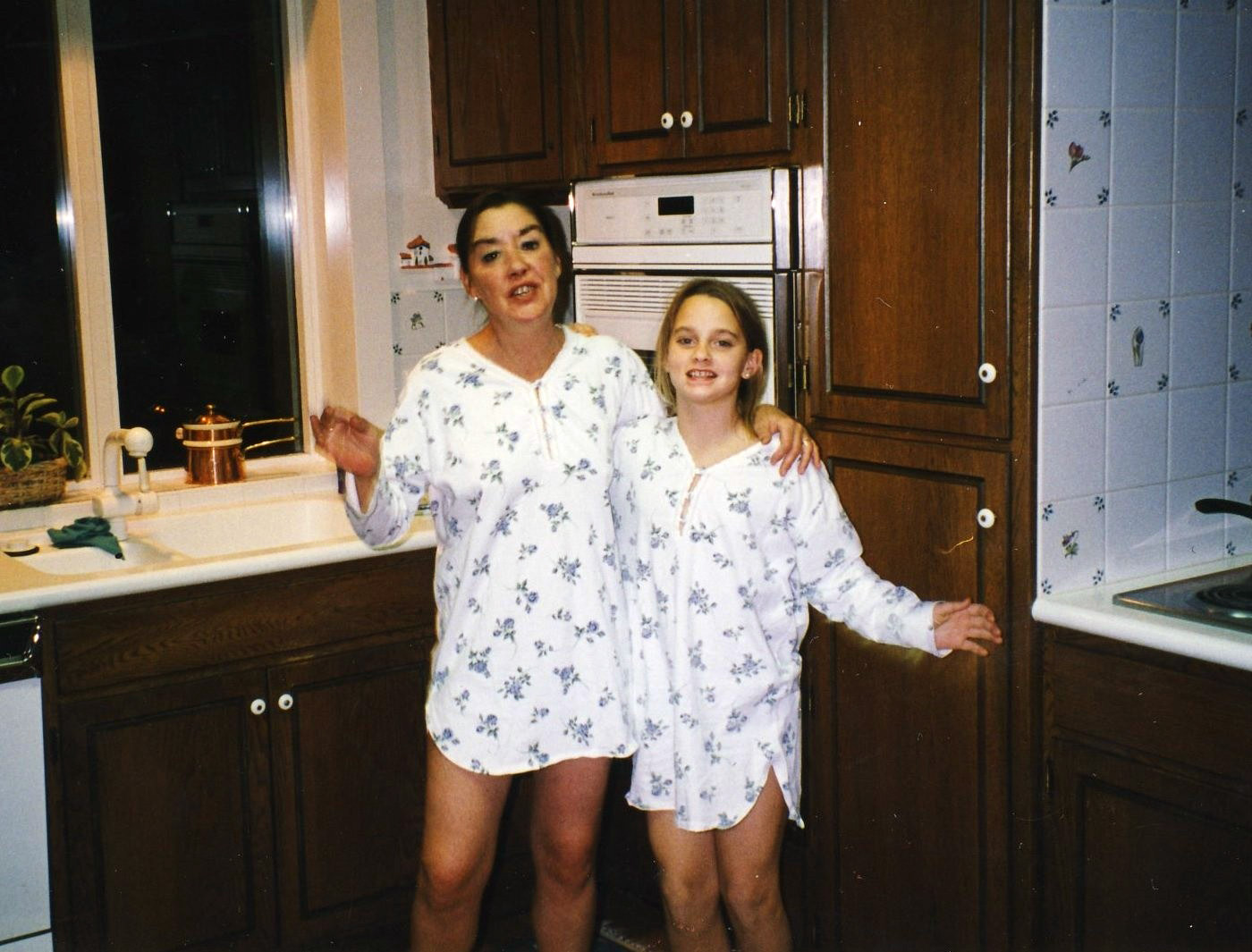
Patricia loved reading books, talking on the phone with her family, relaxing at their cabin in Lake Quesnel, Canada and spending time in Costa Rica. She also adored taking bubble baths, watching movies and sharing snacks with her granddaughters, Amara (10) and Anabelle (2).
She is survived by her husband of 39 years, Terry; son, Graham (Andreana) Gamache of Toppenish; daughter, Alyson Marie Gamache of Chicago, IL; grandchildren, Amara Laurel Gamache and Anabelle Maria Gamache; sister, Monica (George) Yeonas of Vienna, VA; sister, Jackie (Joe) Glathaar of Chapel Hill, NC; brother, Sean (Cecile) Hagan of Washington DC; sister, Tara (John) Clyne of Oakton, VA; sister, Terry Hagan of Santa Cruz, CA; many nieces and nephews and dear friends.
Patricia was preceded in death by her beloved mummy and daddy, John and Maria Hagan.
A vigil service will be at 4 p.m. Monday July 25, 2011 at Keith and Keith Ninth Avenue Chapel. Mass of Christian Burial will be celebrated at 11 a.m. Tuesday July 26, 2011 at St. Paul Cathedral. Concluding services and burial will follow in Terrace Heights Memorial Park.
In lieu of flowers or gifts, donations in Patricia’s name can be made to the Patricia Gamache Scholarship Fund at La Salle High School in Union Gap.
Please send pictures (old and new), anecdotes, articles, stories, and tributes to isbeings at gmail dot com or visit us on Facebook at ISBeings
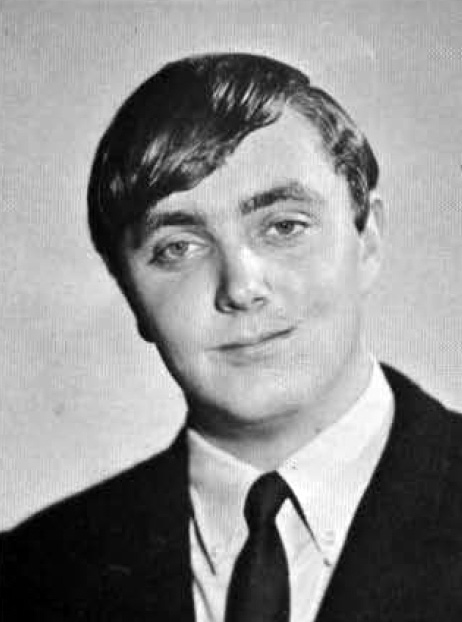
Stephen Lee Duncan 3/5/51 – 12/25/25. I flew to Abilene, Texas from Kentucky on Christmas day and arrived two and a half hours after he passed on to Glory! My sister Susan Rosenberg was with Steve when he passed. Our sister Sandra arrived and all four Duncan siblings were together in Steve’s hospital room. I greatly loved my brother; he was great about including me!
Please send pictures (old and new), anecdotes, articles, stories, and tributes to isbeings at gmail dot com or visit us on Facebook at ISBeings
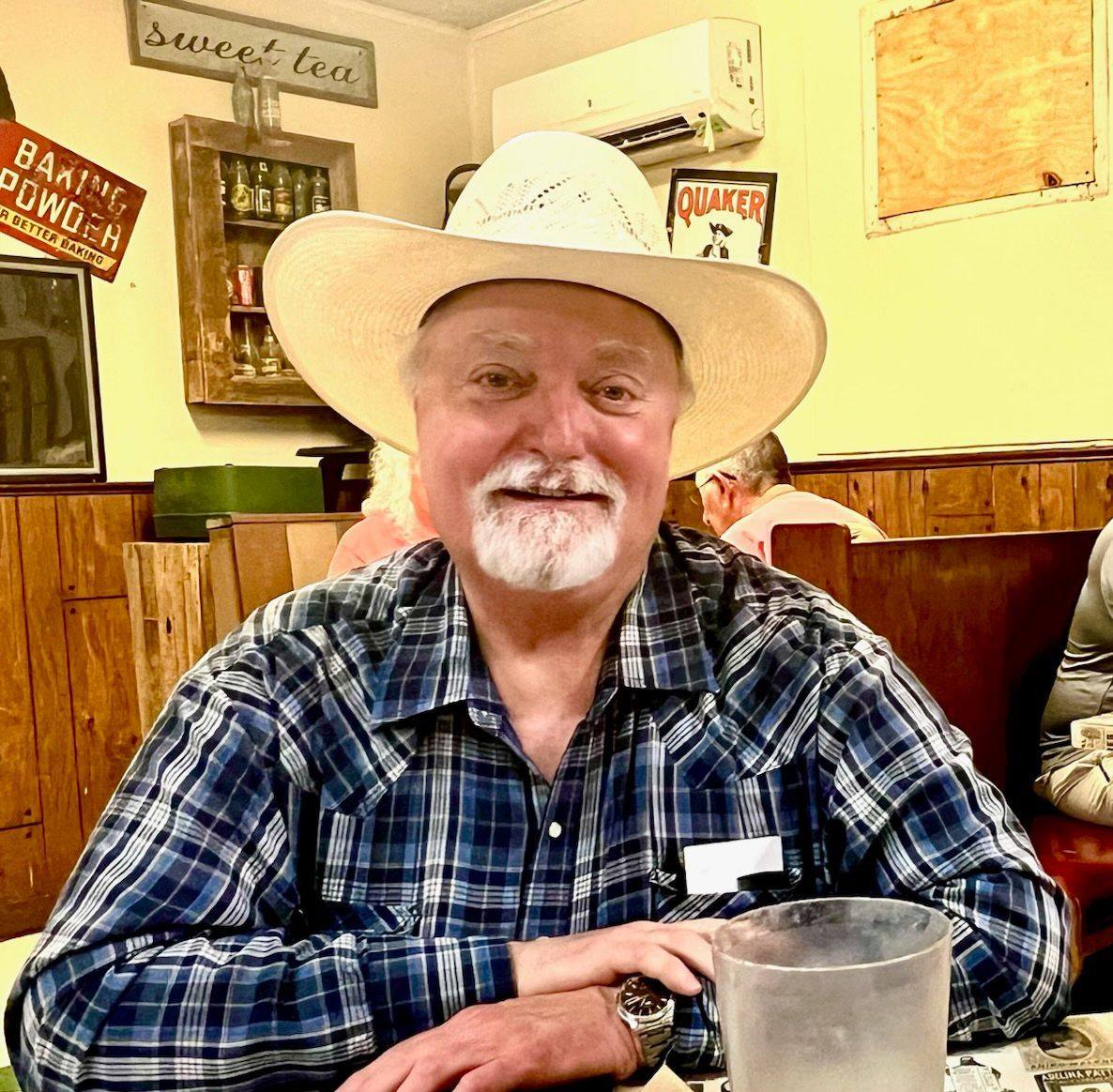
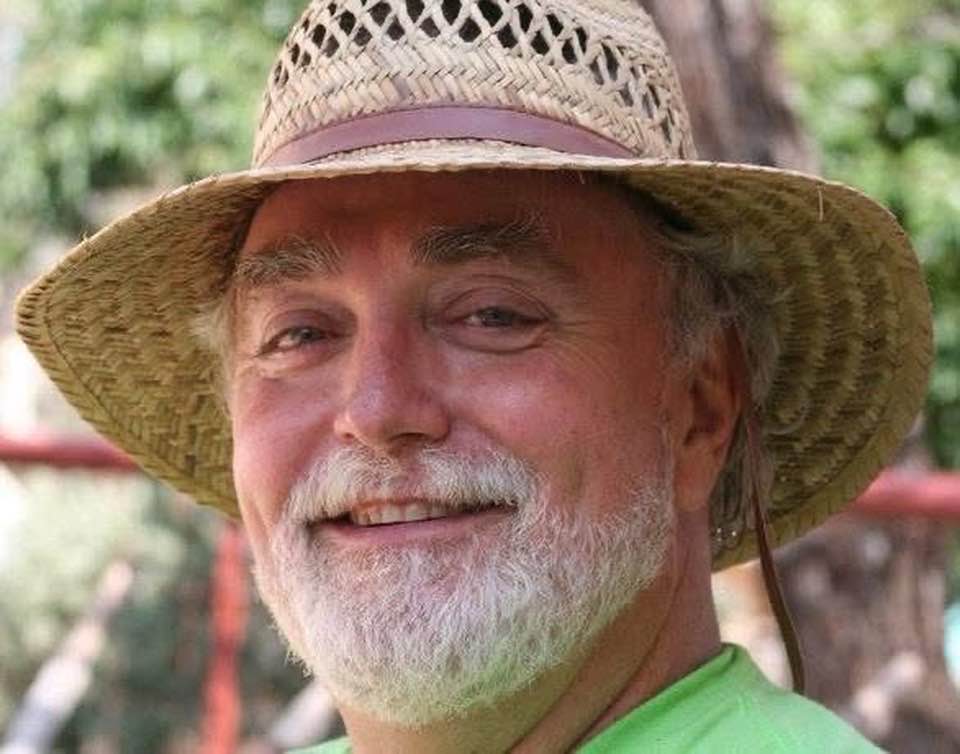
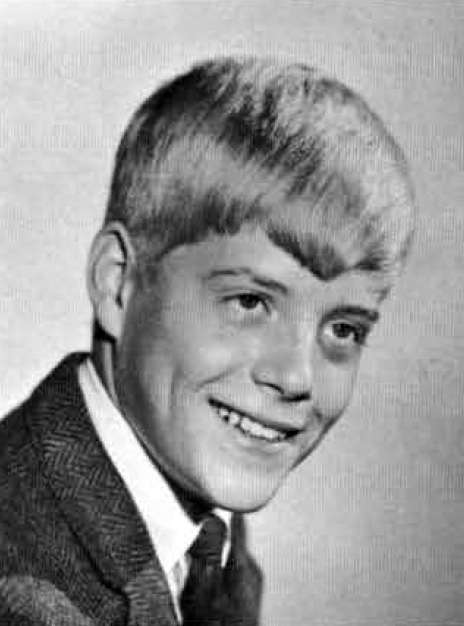
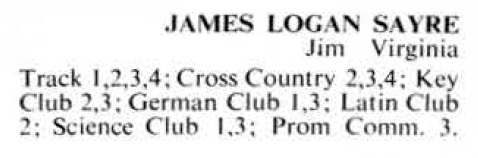
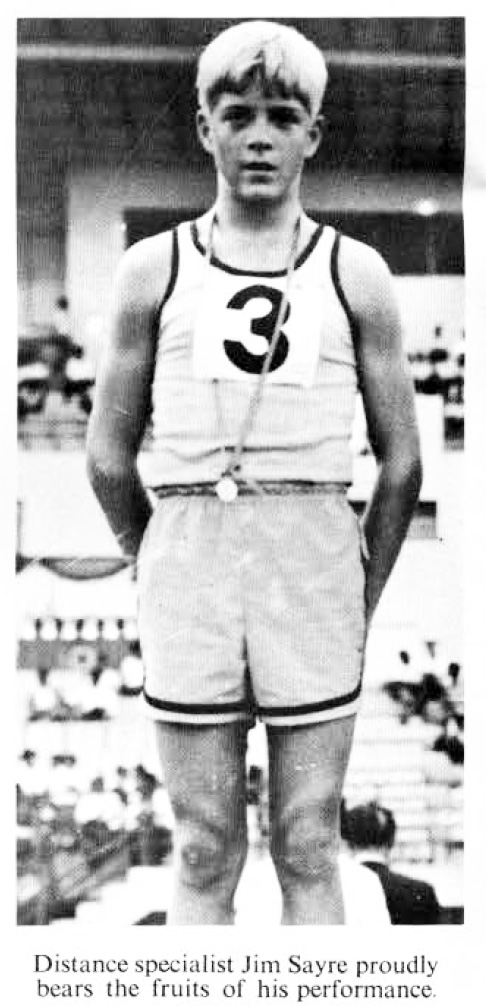
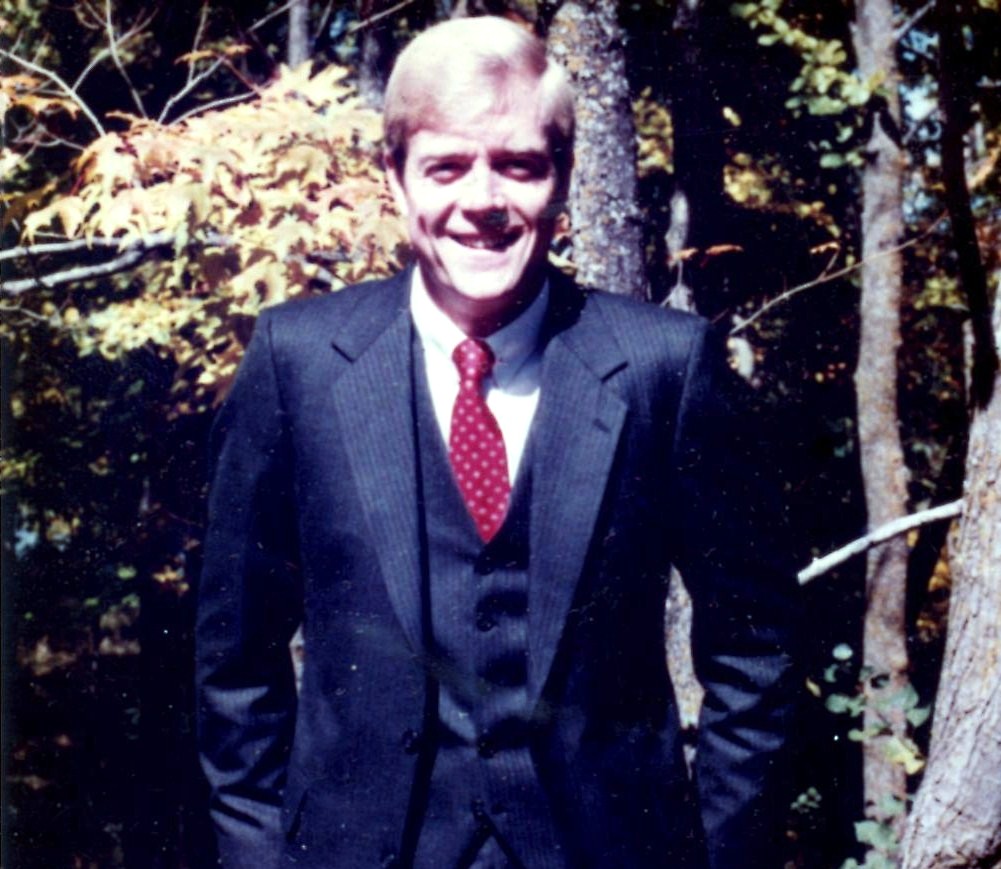
James (Jim) Logan Sayre, 75, of Troy, Idaho passed away on Tuesday, August 26.
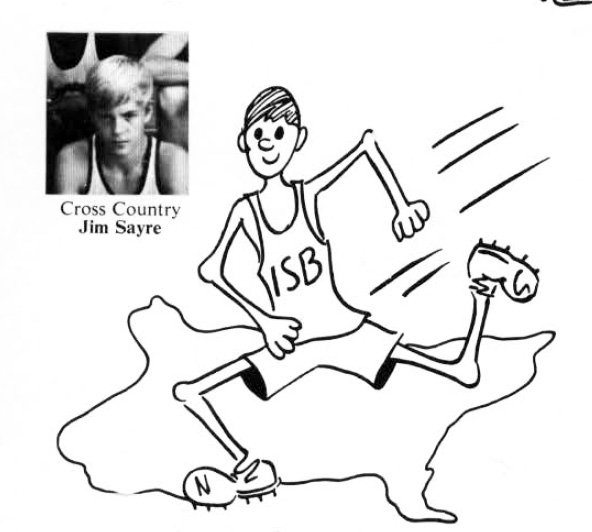
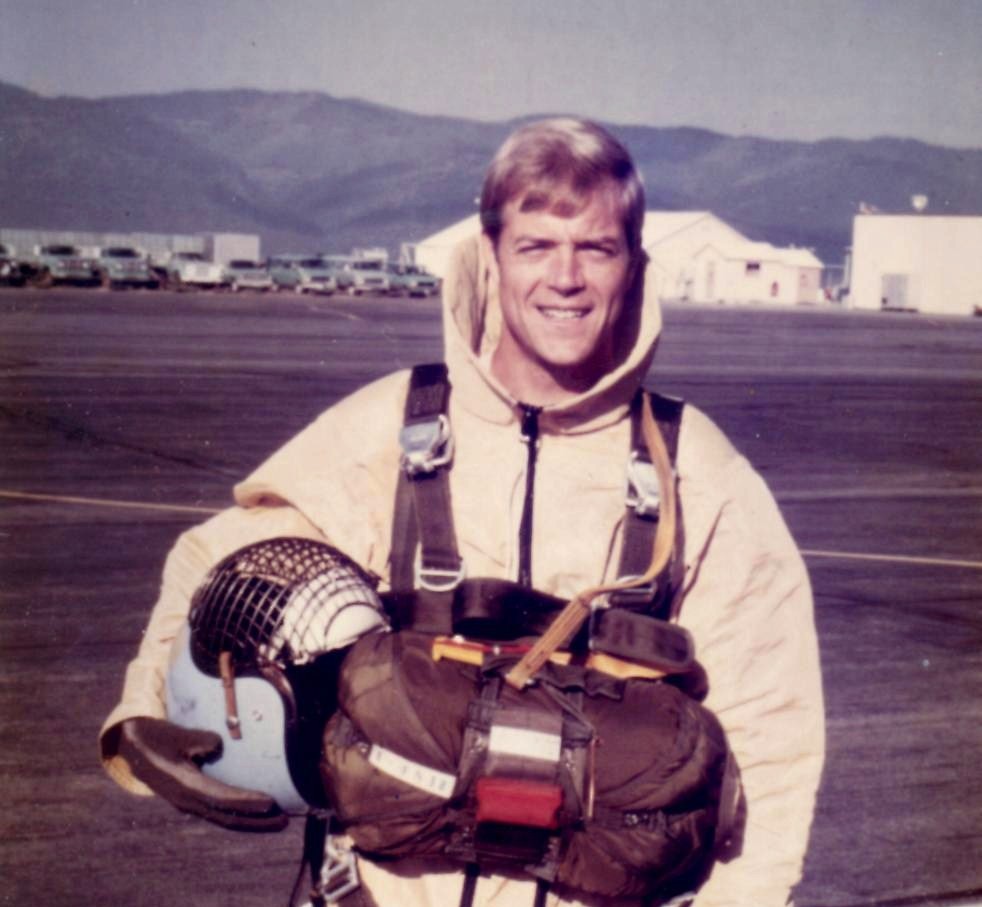
Jim was born on August 19, 1950 in Plymouth, Indiana, the son of the late James Wilcox and Elaine (Finke) Sayre. He attended York High School in Williamsburg, Virginia, and graduated from ISB International School in Bangkok, Thailand. He attended Knox College in Galesburg, Illinois where he studied zoology, and graduated from the University of Idaho with a B. A. in Wildlife Management. He was a premier cross-country runner in high school and college competitions and in the Boston Marathon. He served for many years as a smoke jumper for the US Forest Service based in Red Ives, Idaho, parachuting into remote rugged areas to perform initial attacks on wildfires. He later worked as an inspector for the Health Department of the state of Washington.
He enjoyed spending time with his family, golfing, hiking, exploring nature, nurturing wildlife, counting raptors during migration season for the Idaho Department of Fish and Game, and tending to the needs of the flora and fauna on his extensive property he fondly named Ursa Minor. He was a Protestant, but he found his true faith and communication with God in Nature.
Jim is survived by three sisters, Libby (Jason) Gray of DuBois, Pennsylvania, Pamela (Doug) Pickard of Port Orange, Florida, and Stephanie (Robert) Gray of Venice, Florida, nieces and nephews, Jennifer Pelner, Heather Billsborough, Ted Watkins, Kathleen Braun, Stephen Gray, Geoffery Benedict, Kelly Pickard, and Lindsey Schmidt, and 13 great nieces and nephews.
In addition to his parents, Jim was predeceased by a sister, Kathleen Watkins, and a great nephew, Michael Chiodo. A memorial service will be held at the convenience of the family. The Sorenson Funeral Chapel of Aitkin, Minnesota is in charge of the arrangements. Memorial contributions may be made to the donor’s choice or to the Palouse Wildlife Reserve and Rehabilitation, 245 Second Street, Onaway, ID 83855.
Lovingly posted by: Stephanie Gray
I (with my sisters Pam & Libby) am extremely sad to let you all know that our dear brother Jim passed away this month before his 75th birthday. He recently had some serious medical issues, which unfortunately, took his life.
I will always remember the love Jim had for his beautiful prairie and the home he constructed on it. We always enjoyed sharing stories of wildlife sightings, many of which he shared with all of you on his FB postings.
His ability to remember dates and events was amazing, not just back to back to our childhood days, but historical events. He once told me that he hoped he inherited our Dad’s memory bank, & that he certainly did.
We miss him terribly, but will cherish the many happy memories we made together.
Please send pictures (old and new), anecdotes, articles, stories, and tributes to isbeings at gmail dot com or visit us on Facebook at ISBeings
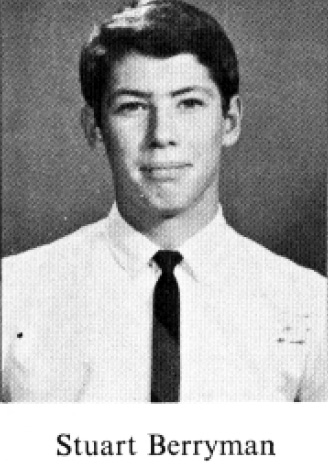
OBITUARY OF JOSEPH “STUART” BERRYMAN Joseph “”Stuart”” Berryman, age 70, of North Port, Florida, passed away on February 24, 2021. He was born on May 27, 1950 in Norfolk, Virginia. He was an automobile mechanic and also a Go Cart Asian Grand Prix Champion in his youth. Stuart was also a veteran of the US Marine Corp. He is survived by his daughter, Tanya; a brother, Scott of North Port and several nieces and a nephew. Stuart was preceded in death by his parents, Rue & Jean Berryman; two brothers, Rue Berryman, Jr. and Stacy Berryman. A memorial gathering to celebrate Stuart’s life will be held at Farley Funeral Home in North Port from 4:30PM-6:00PM on Thursday, March 4, 2021. In lieu of flowers, memorial donations may be made to Tidewell Hospice Inc., 5955 Rand Blvd., Sarasota, Florida 34238. A message of condolence may be sent by visiting www.farleyfuneralhome.com.
8 IS GONE!!!!!
Please send pictures (old and new), anecdotes, articles, stories, and tributes to isbeings at gmail dot com or visit us on Facebook at ISBeings
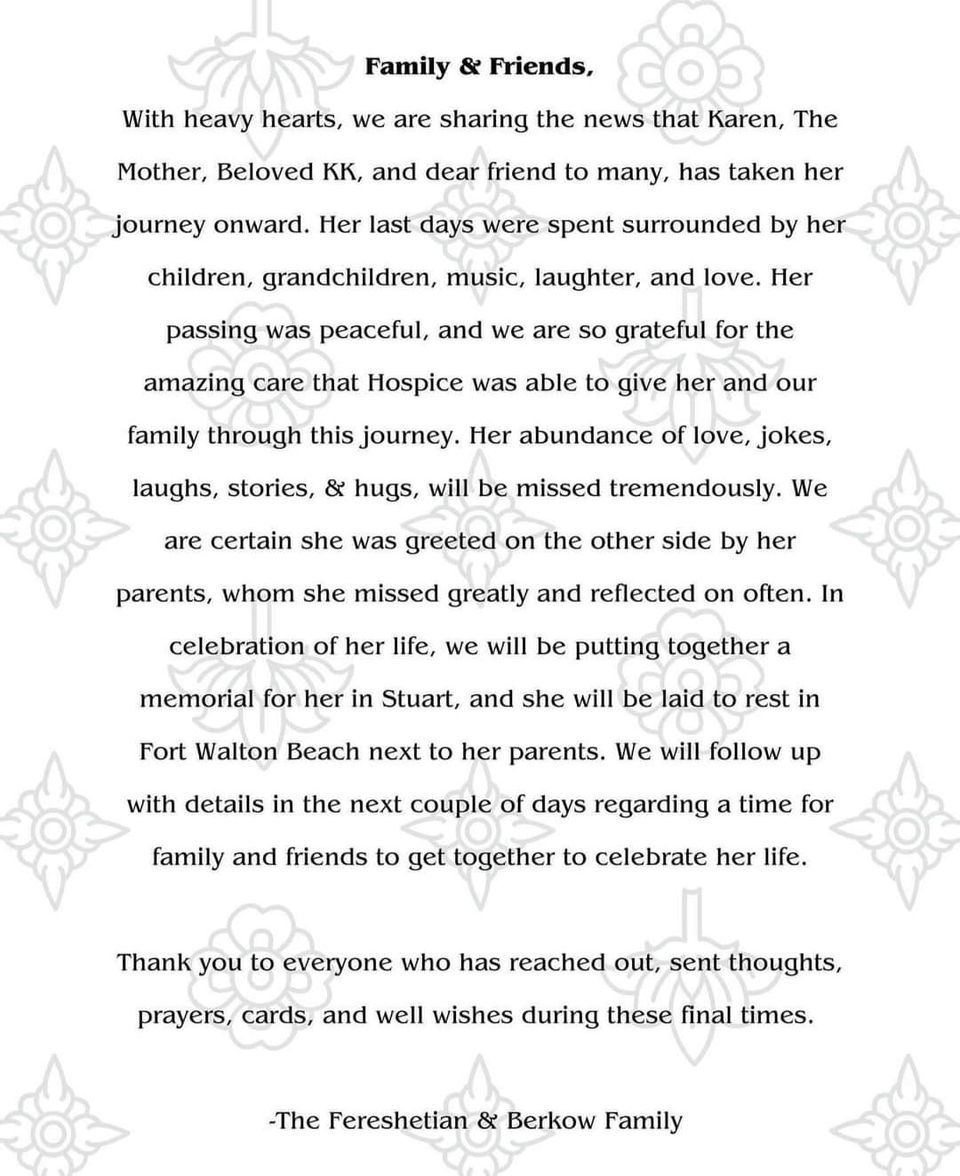
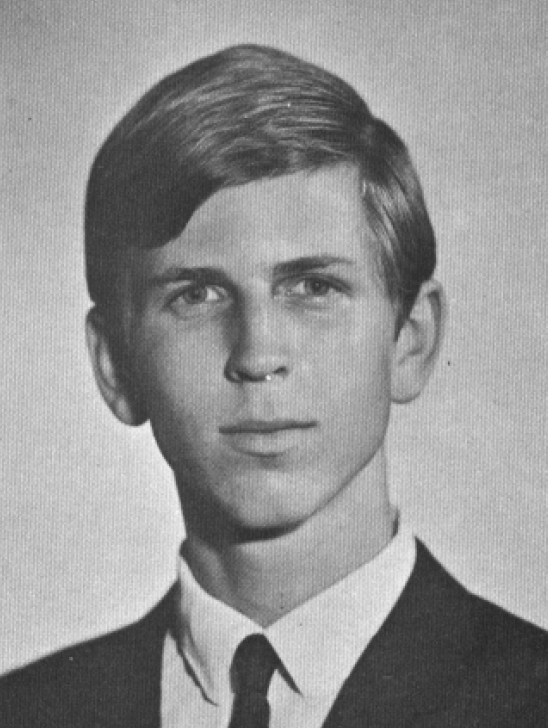
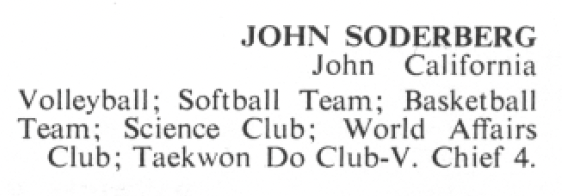
Hello to all John Soderberg’s friends. This is Misty his daughter. I wanted to let everyone know that John passed away peacefully in his sleep last night. I want to keep this post short as we are all mourning his loss right now. I know John knew so many people so I wanted to share this sad news. I thank you for all the love you have shown him over the years (and the likes 👍) I will miss my father terribly. He knew how much he was loved ❤️ RIP John Soderberg
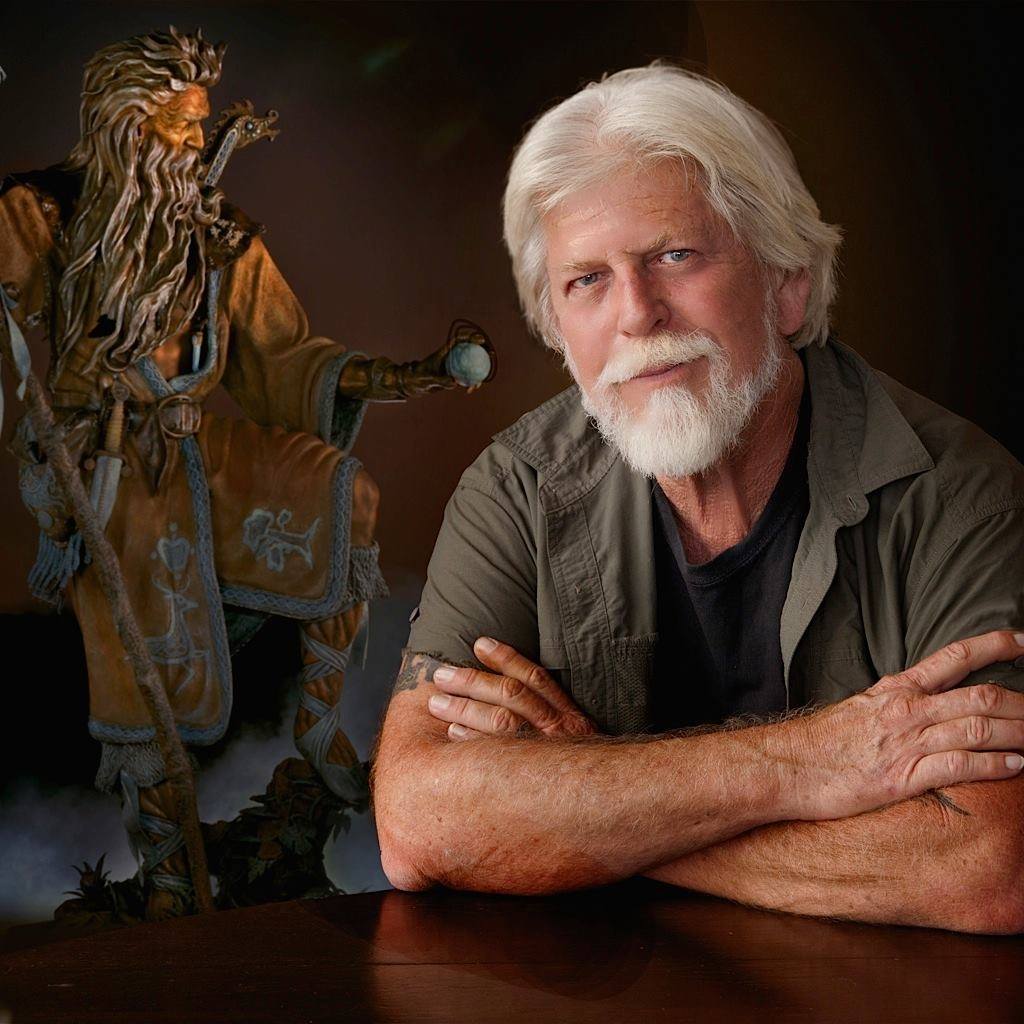
John M. Soderberg PhD Location: Sedona, Arizona Interview dates: September 12 & 14, 2015
“To me, art is not a luxury, but is a basic human necessity. Art can, and should, remind us of our humanity, and that of others, and enhance the quality of our lives. From the earliest artists, Stone Age storytellers around a fire in a cave, to the painters and sculptors and architects of today, art has pervaded and shaped our societies. To me, an artist is not primarily a creator, but is rather a conduit—absorbing, translating, and conveying messages of value to others, living or centuries yet to be born.”
John Soderberg circled the world eight times and visited more than 40 countries before graduating high school in Bangkok, Thailand. His father Richard had been commissioned in 1947 by the King of Afghanistan to build the first engineering school in that country. Born in 1950, John spent his first four years there, after which the family moved to India for five years, and then Thailand for eight years.
The Soderberg family was required to circle the world every two years. Loving art, they spent much time in Europe and Asia, visiting the world’s great art in museums, galleries, cathedrals and temples. In Rome, when John was five, his mother Betty held him up so he could touch the foot of Michaelangelo’s Moses. He experienced his first epiphany, and was amazed at the ability of sculpture to move people, centuries after the artist was gone. He dedicated himself to art, started painting in oils at age five, and studied teakwood carving with Thailand’s leading master, a Buddhist monk, from age 12.
After high school in Thailand, John came to America for college, in Washington State. Due to extreme culture shock, he dropped out and painted on the street in Berkely, California, in the middle of the riots of the late 60s. In 1970, for a life-change, he enlisted in the U.S. Marine Corps for three years. After receiving his Honorable Discharge, he worked as a machinist days and painted and made jewelry nights. Among others works, he completed a commission for a bracelet for Elvis Presley, then moved his family to Flagstaff, Arizona, to work in a bronze foundry to learn the art and craft of sculpture.
After numerous and interesting starving artist years, John began selling his art professionally, and served as Artist in Residence at Northern Arizona University. He later received his Ph.D. in Humane Letters from that institution. He has since completed monumental bronze commissions for private parties, corporations, churches, and organizations across the country, including Amnesty International, the Crystal Cathedral, the Sedona Synagogue, Rancho Feliz Charitable Group, Free The Slaves organization, Pepsico Corporation, Texas Winery Products, Jacmar Foods, the Honeywell Foundation, Wilden Pump and Engineering, and others. Along with his other works, he has sculpted numerous influential figures including Christ, Steve Biko, Al Stein, Moses, Merlin, Billy Graham, Norman Vincent Peale, Sacajawea, Mark Honeywell, Bill and Vieve Gore, Robert Schuller, Jim Wilden, Archbishop Fulton Sheen, St. Catherine of Siena, Gil Gillenwater, and others.
John became involved with service-work in the military, and has since donated a large portion of his time and work to others, focusing on children and women in need. He has worked with domestic abuse shelters, Amnesty International, Free The Slaves, Rancho Feliz, Big brothers, Big Sisters, and many other groups and causes. In the late 90s, John was knighted by Ulf Hamilton, a Swedish Count, for his service.
John lives and works in the Sedona, Arizona area. His daughters, Heather and Misty, both noted professional sculptors, work with him on all of his monuments. They each began spontaneously sculpting at age one, turned professional at age two, (at their own choice,) and were featured on Paul Harvey News, People Magazine, National Geographic World, That’s Incredible T.V., and other media, and showed their work in galleries in Scottsdale and Houston, all before eight years of age, and all before their father achieved any professional success, whatever.
Cultural Value of Bronze Biography
“Standing in front of the ovens in Auschwitz at age ten and traveling through Southern India, I witnessed the pain and brutality of humanity; but from that same humanity, I have witnessed also instances of humanity’s rare and unearthly beauty, of hope, compassion and faith”.
“One of the most crucial human qualities, I believe, is empathy. Given empathy, brutality becomes impossible. Empathy is at the heart of our humanity, and in fact is the heart of our humanity, for it reduces the barriers of race, religion, and creed to items of mild interest, while unlocking our true, inherent human dignity.
John M SoderbergDeep Water Blow Eyes The act of encapsulating empathy in some medium, be it dance or music, painting or sculpture, simple stories or more complex forms, is my definition of art. The feeling and then the sharing of an emotion or idea — which is the essence of art — is what makes us human”.
Please send pictures (old and new), anecdotes, articles, stories, and tributes to isbeings at gmail dot com or visit us on Facebook at ISBeings
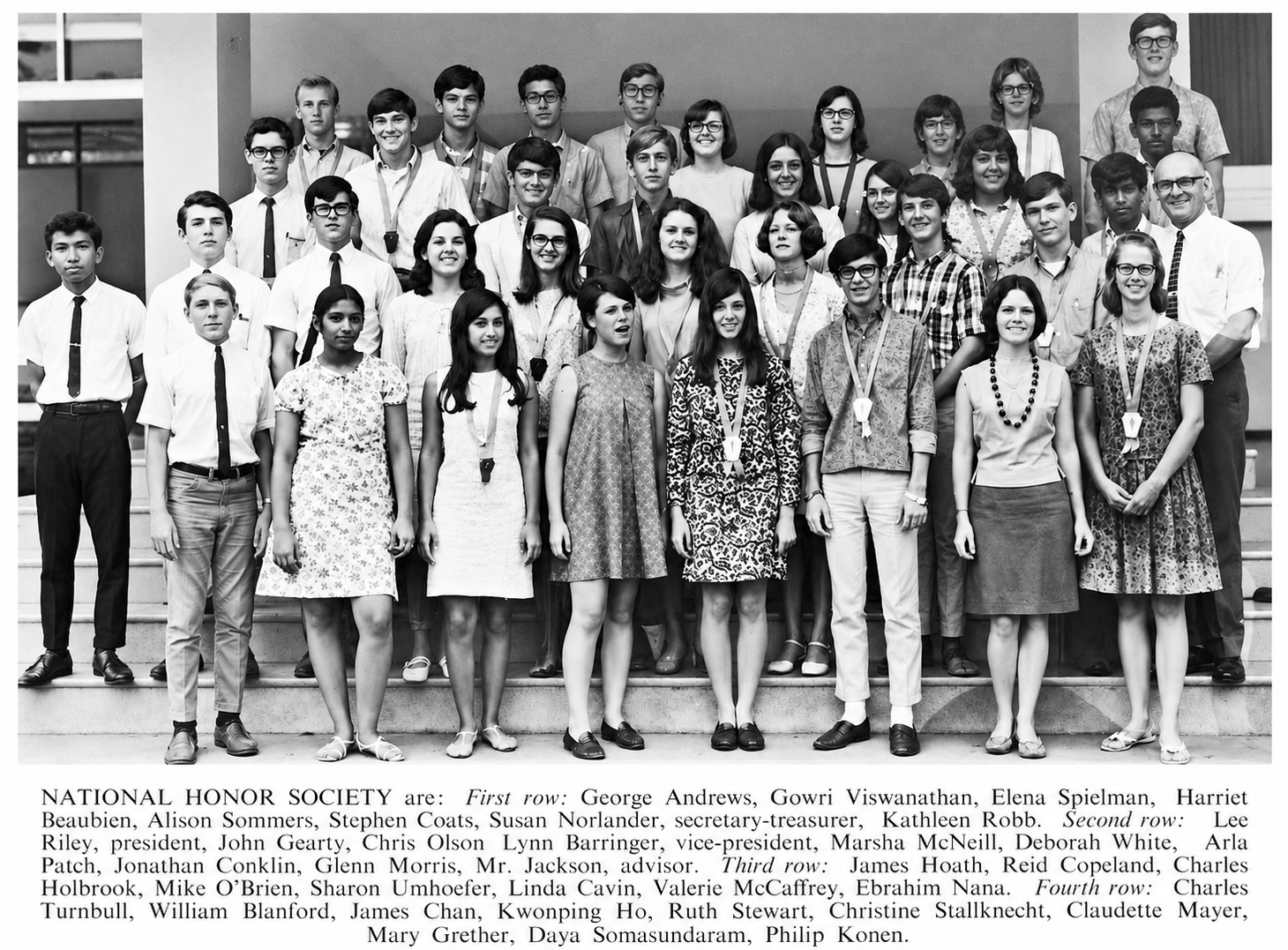
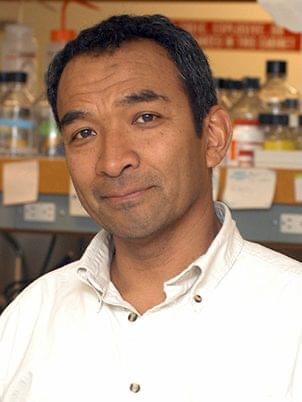
It is with a heavy heart that I bring the news of the passing of my brother, Dr. Lee W. Riley. Lee passed away this morning at 6:22 at Alta Bates Hospital in Berkeley California with his family. I am so grateful that I had the last 3 months of precious time with my brother as I cared for him in California as he was battling bladder cancer. He has touched the world in so many ways and will always be remembered and missed by many. I will post all information of upcoming services that will be held in his honor by the family and by the University of California, Berkeley, Department of Public Health so those who knew Lee can attend.❤️
Berkeley Public Health is heartbroken to announce that Professor Lee W. Riley, world-renowned leader in the field of infectious diseases and vaccinology and friend and mentor to many, has died. We will post an obituary soon, and we keep those whose lives he touched close in our hearts. Dr. Riley will be greatly missed.
Dr. Lee W. Riley Obituary
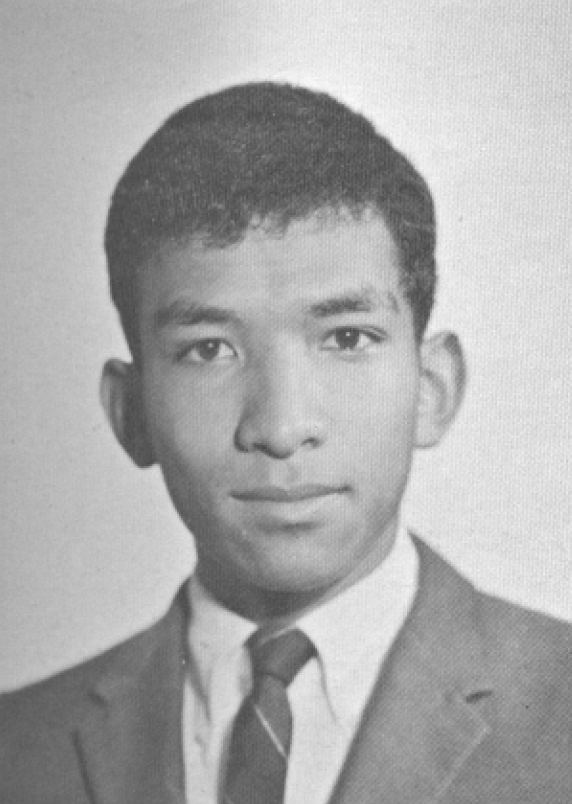
Lee W. Riley, a leader in the decolonization of global health and pioneer in molecular epidemiology, died October 19, 2022, at the age of 73 in Berkeley, California, following a brief illness.
At the time of his death, Riley was professor of epidemiology and infectious diseases and chair of the Infectious Diseases and Vaccinology Division at the UC Berkeley School of Public Health, as well as director of the Global Health Equity Scholars Program.
Riley’s expansive research interests ranged from “slum” health to tuberculosis and from food borne pathogens—including seminal work on E. coli— to parasitic diseases. However, his true legacy is his generous mentorship of thousands of aspiring scientists and public health experts in the United States and around the globe. Their ongoing work serves as a testament to Riley’s ability to inspire and influence his students and collaborators.
Riley was born October 15, 1949, in Yokohama, Japan.
His interest in international medicine led him to attend medical school at UCSF. Between his third and fourth years there, Riley went to Thailand for an elective course and engaged in his first clinical research. Stationed at a missionary hospital, he also ran outpatient clinics in the country, where he dispensed birth control and monitored for illnesses like tuberculosis, and began to ponder a career in public health.
“I gradually began to realize that it’s not enough just to be a practicing physician in those settings,” Riley said in the Pew oral history recordings. “In fact, it’s not very efficient. The problems are so overwhelming that I guess I began to feel that a single person is not going to be able to make that much of a difference. You’re like a drop in the bucket, in the ocean. So there had to be some other ways, and I had to see that, to come to that recognition, that realization. That’s when I really began to feel that you have to look at this from a bigger picture and from a point of view of public health.”
Molecular epidemiology, E. coli, and tuberculosis After completing a residency in internal medicine at Columbia Presbyterian Hospital, Riley joined the Centers for Disease Control and Prevention (CDC) in Atlanta in 1981 on a two year fellowship as an investigator in the Epidemic Intelligence Service. While there, he met Dr. Arthur Reingold, his long-time collaborator and future colleague at UC Berkeley School of Public Health and traveled to study disease outbreaks in several countries, including Brazil.
Tasked to do epidemiological fieldwork on enteric disease outbreaks—such as listeria, salmonella, and E. coli—Riley became interested in taking a molecular approach to epidemiology. He authored a seminal study, published in the New England Journal of Medicine, showing for the first time that a specific kind of bloody diarrhea that appeared in Oregon and Michigan in 1982 was caused by a novel bacterium. The major foodborne pathogen, called E. coli O157:H7, sickens and can kill people who eat undercooked beef. Riley traced the source of the outbreak through “Food Chain A”: McDonald’s restaurants in both states.
“His work really changed the whole approach to preventing this infection by not allowing the sale of undercooked hamburgers,” said Reingold. “This really made Lee’s career.”
Riley went on to complete a post-doctoral fellowship in infectious disease and medical microbiology at Stanford. There, he immersed himself in the interface between epidemiology—the study of how diseases spread in human populations—and molecular biology–the study of the genetics of microbes. Riley became an early leader in the new field of molecular epidemiology and eventually wrote the first book on the subject: his Molecular Epidemiology of Infectious Diseases: Principles and Practices was published in 2004.
While a postdoc, Riley received a Harold Amos fellowship from the Robert Wood Johnson Foundation, a four-year award for postdoctoral research offered to physicians and dentists from historically underrepresented groups. The award allowed him to research enteropathogenic E. coli, the bacterium that causes infantile diarrhea. Riley would later become an advisory board member of the Harold Amos Program, identifying and encouraging scholars from minority backgrounds to achieve in the medical field.
Riley relocated to New Delhi for two years in 1988 to serve as a laboratory project manager for the World Health Organization’s India Biomedical Support Project. When he returned to the U.S., he joined the faculty at Cornell and began studying tuberculosis, a disease on which he would focus on for the rest of his career.
In 1996, Riley moved from Cornell to the UC Berkeley School of Public Health, recruited by his CDC colleague Arthur Reingold. At UC Berkeley, Riley taught infectious disease breadth and other courses. His lab continued to research multi-drug resistant tuberculosis and food-borne pathogens, including the development of a novel theory that urinary tract infections are caused by certain strains of E. coli often present in food.
Decolonizing global health “Among his many accomplishments, Lee was a champion for ‘decolonizing global health’ long before it had a name,” said UC Berkeley Professor of Epidemiology and Biostatistics Sandra McCoy. “For over a decade, he co-led the Global Health Equity Scholars Program, a multi-institution training program designed to create a community of researchers, educators, and professionals prepared to address new and emerging global health challenges.”
The program specifically addressed “health problems that arise out of the inequity of conditions prevalent in informal human settlements that the United Nations has defined as slums,” according to the program’s website.
His early experiences in Thailand and India inspired Riley to travel around the world to investigate the relationship between slum conditions and infectious diseases like tuberculosis, leptospirosis, and rheumatic heart disease. With UC Berkeley’s Dr. Jason Coburn, he co-edited the book Slum Health: From the Cell to the Street in 2016. The book was hailed for emphasizing community-based responses and social justice.
“His passion was for global health…to work on the problems of the poor in low and middle income countries,” said Reingold. “He devoted his career to working on the infectious disease problems of the poor, to train others and to share his passion for these activities, bringing in friends, colleagues, and other experts.”
As part of his push to give people worldwide agency over their own health, Riley launched the International Course on Molecular Epidemiology in Emerging Infectious and Parasitic Diseases in 2002 in Salvador, Brazil. He collaborated with Brazilian researcher Dr. Mitermayer Galvão dos Reis, who succeeded in attending medical school despite growing up in a local favela community. The school has trained close to 1,000 researchers and public health professionals.
“He, without a shadow of a doubt, was a great researcher and a great trainer of human resources,” said Reis. “Lee trained people from all over the world and played an important role in training people here in Brazil.”
Collaborator and longtime friend Dr. Albert Ko, professor of epidemiology and infectious diseases at Yale, said the program trained people in the community, rather than in the ivory tower. “It captured that decolonization philosophy. Brazilians now are leading that course and teaching people from African countries, Panama, Colombia, and elsewhere,” Ko said.
“Not only did he do collaborations on specific disease outcomes, there was a lot of work in communities affected by these diseases, and building resources, and providing opportunities for people in the long term,” said Riley’s wife, Dr. Eva Raphael. “His work in Brazil is the perfect example of decolonizing global health.”
A legacy as a beloved mentor Everyone whose lives he touched agrees that Riley’s biggest legacy will be his unflagging mentorship and support for students and collaborators around the world.
“His legacy is all the people that he’s trained,” said University of Arizona Associate Professor Purnima Madhivanan, who worked with Riley at the Global Health Equity Scholars Program. “His strength lay in making sure he gave them the kind of training that made them competent researchers and researchers with empathy, who can ask the right questions. Working with him certainly changed my life.”
Another UC Berkeley School of Public Health colleague, Dr. John Swartzberg, said that Riley had an oversized influence on his MPH and PhD students.
“Lots of professors teach a course and it just never has an effect,” said Swartzberg. “But there was something about Lee’s interactions with students that really sustained those strong feelings over the decades.”
Reingold remembers him as a “warm, welcoming, supportive person with a sense of humor. He never took himself too seriously, was never self-important.”
Riley was a fellow in the American Academy of Microbiology and of the Infectious Disease Society of America. In 2014, he was appointed by the U.S. Secretary of Health and Human Services to serve as a member of the Board of Scientific Counselors for the National Center for Infectious Disease of the CDC. He was the recipient of 16 NIH grants, 10 patents, and published more than 300 scholarly articles.
Riley is survived by his wife of three years, Eva Raphael-Riley, his infant son Max Raphael-Riley, his four adult children, two sisters, and a niece and nephew.
Oral history interview with Lee W. Riley 1997-Dec-29 – 1997-Dec-31
Lee W. Riley was born Hiroshi Satoyoshi: he spent his first ten years with his mother in Yokohama, Japan, then lived for a short time in a Japanese orphanage before being adopted by the Riley family, at which time he moved to Tachikawa, outside Tokyo, Japan.
The family moved to Bangkok, Thailand, in time for Riley to attend high school there. Like his biological parents, his adoptive father was African-American and his mother Japanese; Riley has two sisters who were adopted as well. In Riley’s early years his Japanese, schoolteacher grandfather had a great influence on his schooling, encouraging his questioning nature; living in Japan in the aftermath of World War II impacted Riley’s perspectives on life, as well as his Buddhist heritage and being multiethnic.
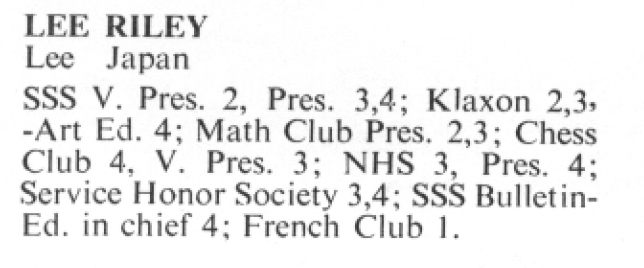
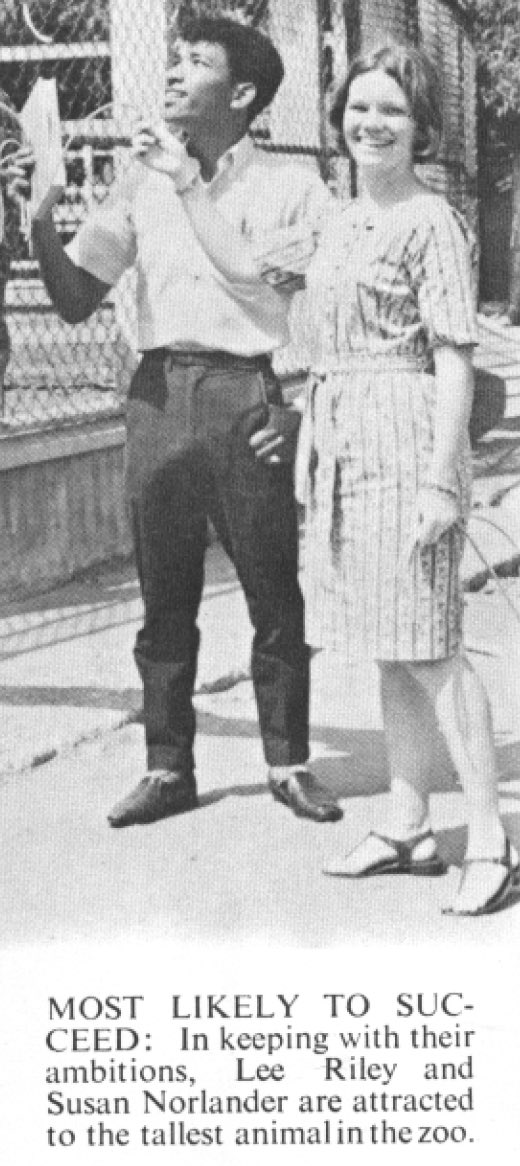
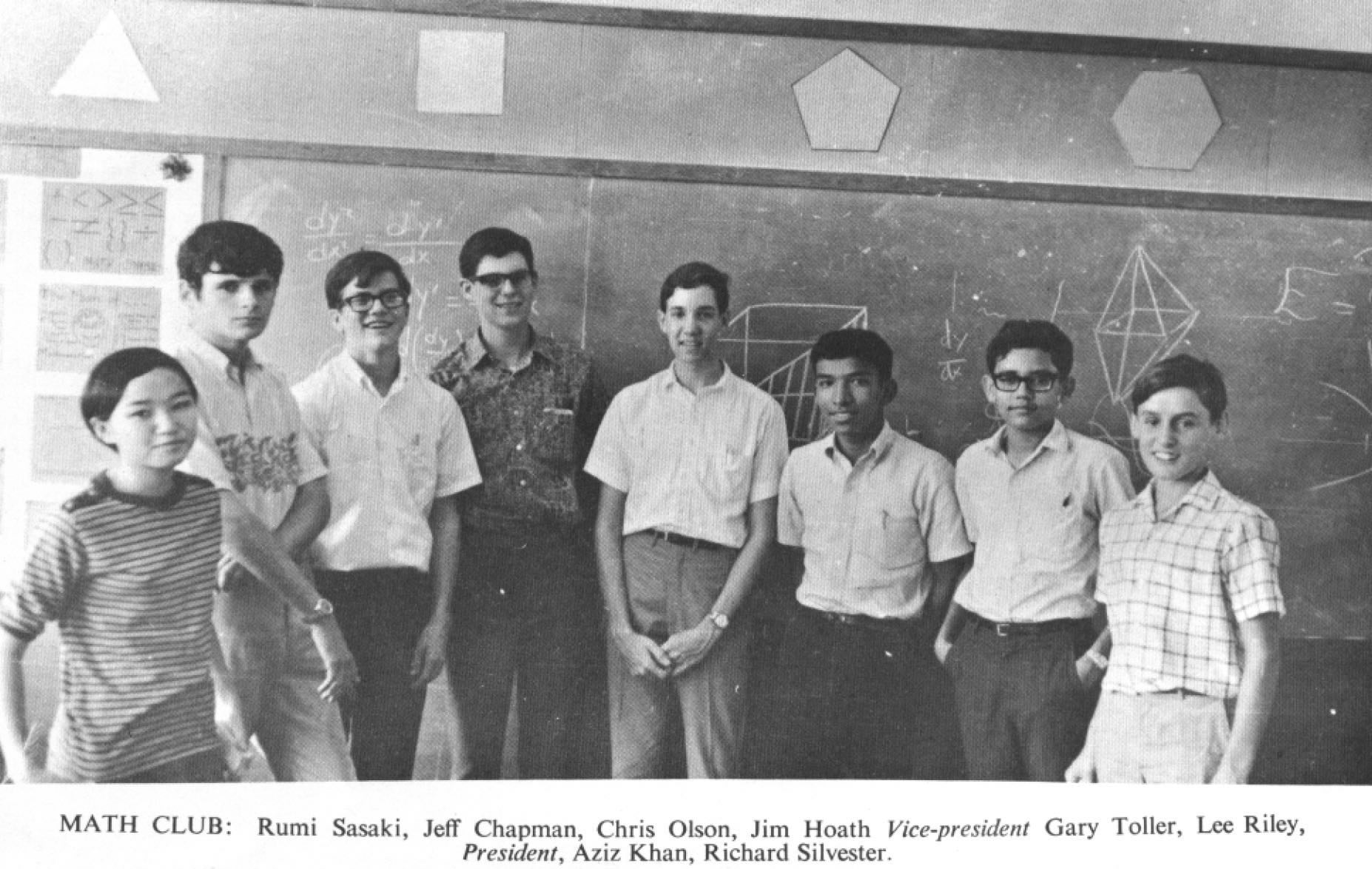
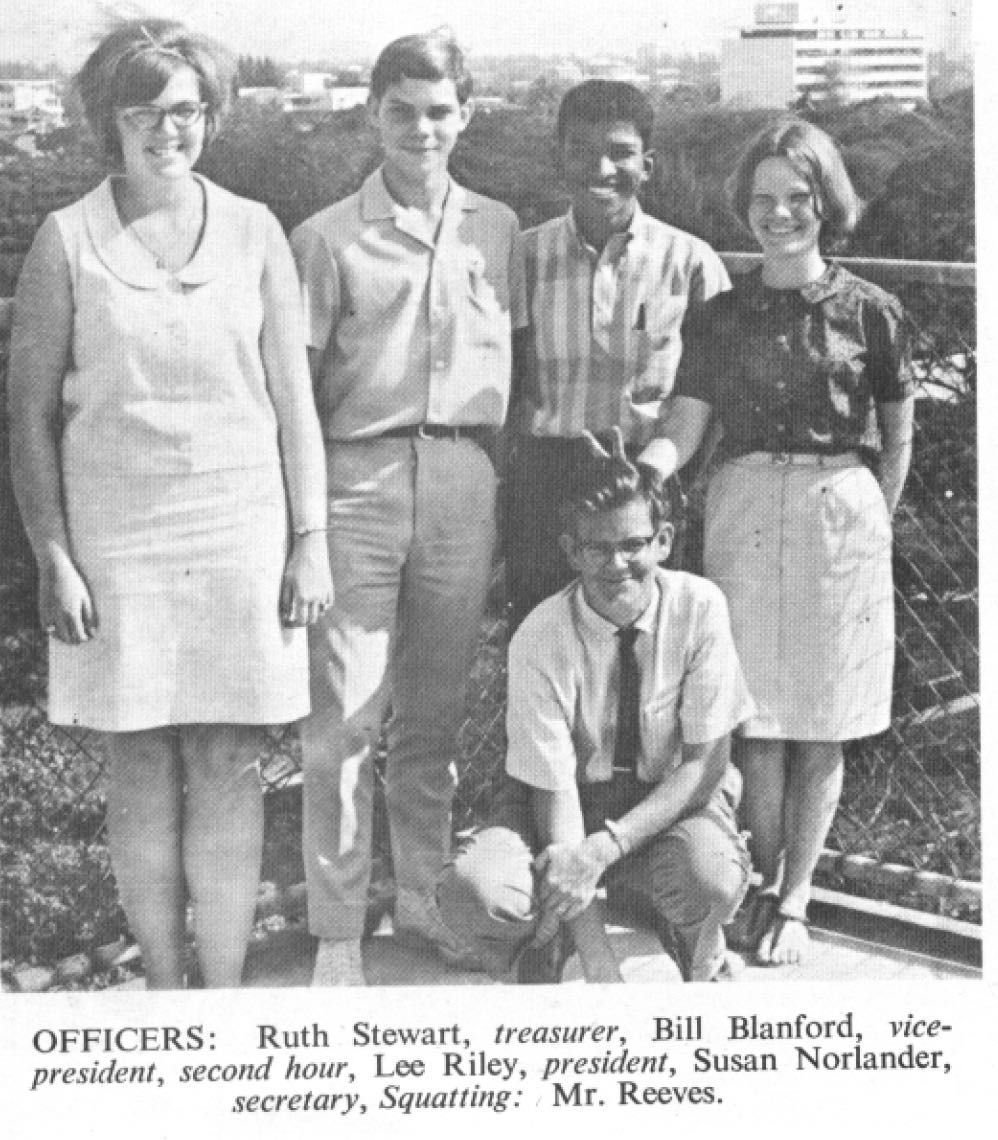
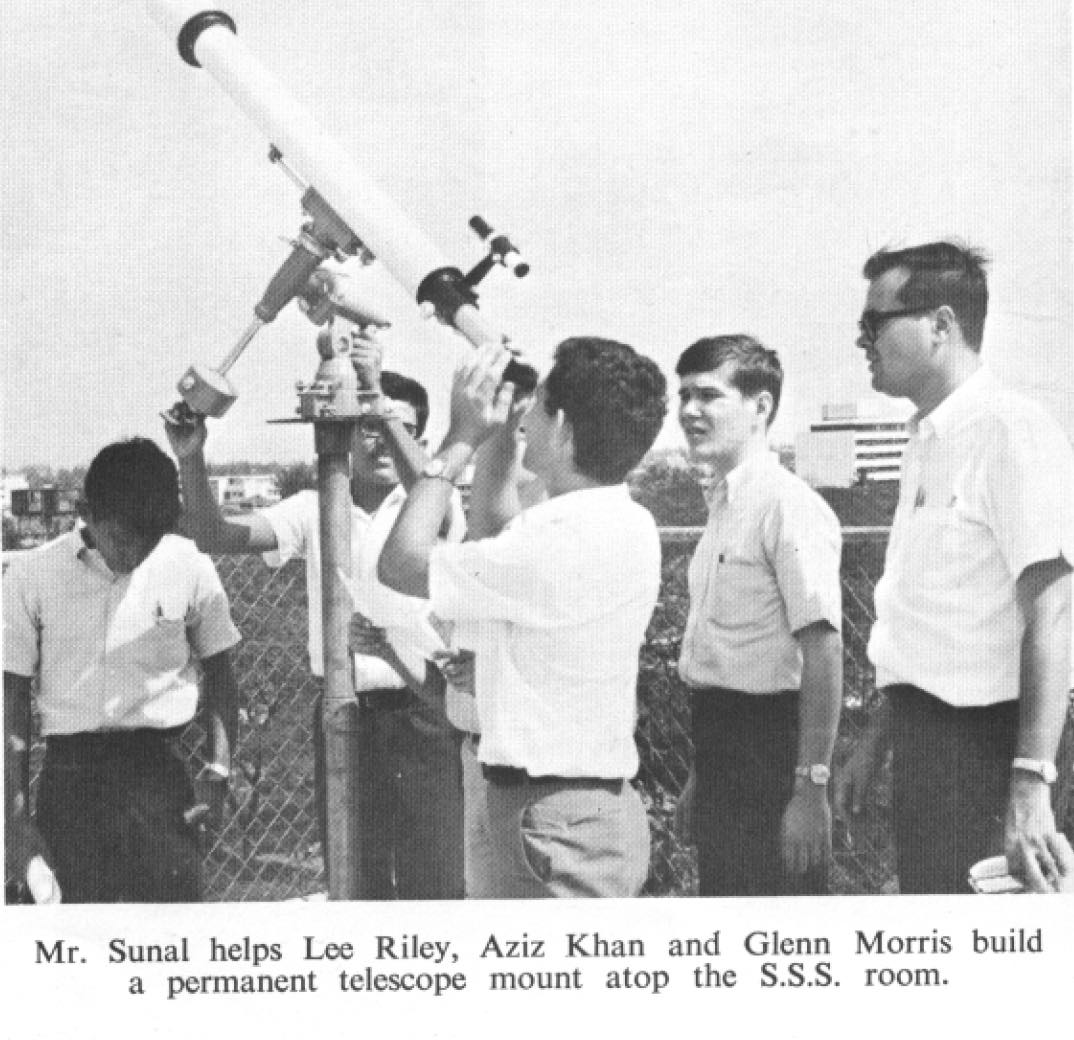
Riley attended an international high school in Bangkok, about which he talks at length, and had several influential teachers who stimulated his early interest in physics. Riley decided not to attend a Japanese university, but Stanford University instead; he wanted to become a physician and practice medicine in Bangkok.
Aware during the sixties of the countercultural movement and anxious about the draft at Stanford, Riley found his perceptions of the American presence in Southeast Asia changing. His growing interest in public health led him to spend a year in Japan after college. Riley chose to enroll the University of California, San Francisco, to pursue his medical degree; during his first year he undertook a clinical rotation in a missionary hospital in Thailand.
After deciding to shift from clinical medicine to public health he completed his internship and residency at Columbia University College of Physicians and Surgeons. He found interesting the differences between the types of medical conditions encountered in New York and those encountered in Thailand, and he entered the Epidemiologic Intelligence Service at the Centers for Disease Control and Prevention, where he used enteric pathogen fingerprinting technology to identify strains of Salmonella and identified E. coli 0157:H7 as the cause of an outbreak in Oregon.
Riley then accepted a postdoc in the Gary Schoolnik lab at Stanford to study enteropathogenic E. coli using molecular biology technology. Next he studied tuberculosis (TB) for two years in India and published a paper in Science identifying the invasion gene for TB. He then proceeded to an assistant professorship at Cornell University Medical College, where he worked on devising a technique to identify primary and reactivation TB. Through his understanding of the molecular basis for disease transmission he identified why a high percentage of drug users in New York City had a particular strain of tuberculosis. Riley’s interest in approaching biological questions from the standpoint of public health led him to work on developing a Salmonella vaccine for chickens.
From Cornell Riley accepted a position as professor of infectious disease and epidemiology at University of California, Berkeley, and he has since become Director of the Fogarty International Center Global Health Equity Scholars Program at University of California, Berkeley, where he continues to work on TB pathogenesis, drug-resistant Gram-negative bacterial infections, and global health focusing on infectious diseases of urban slums.
During the interview Riley discusses his acquisition of the scientific skills and knowledge necessary to accomplish his research goals; his belief in the need to make science understandable to the public and obstacles to that understanding; the scientific community’s response to his dual focus on epidemiology and pathogenesis; his desire to advance on the strength of his work rather than through self-advertising; and his relationship with other Pew Scholars.
He elaborates on his decision to work with Stanley Falkow and Gary Schoolnik at Stanford and explains how he collaborated with Schoolnik to establish the geographic medicine program at Stanford. He concludes his interview by describing how he attempts to balance career and life with his wife, Jesse Frances Furman, and three children.
Please send pictures (old and new), anecdotes, articles, stories, and tributes to isbeings at gmail dot com or visit us on Facebook at ISBeings